
Centra
Centra is the only e-commerce platform built specifically for global fashion and lifestyle brands, running DTC and B2B from one setup.
What is Centra?
Centra is a cloud-based, headless ecommerce software platform developed to help fashion, lifestyle, and consumer brands manage direct-to-consumer, wholesale, and international commerce operations from a centralized system. The platform combines product information management, order processing, inventory visibility, market-based pricing, campaign management, wholesale sales, and API-driven commerce capabilities within a unified environment.
Fashion and lifestyle businesses often manage complex product catalogues containing multiple sizes, colours, variants, collections, seasons, price lists, and regional requirements. Expanding into new markets can create additional challenges involving currencies, languages, taxes, shipping options, local payment methods, warehouses, and customer experiences. Centra addresses these challenges by providing commerce functionality built specifically around the operating requirements of global fashion brands.
The Centra ecommerce platform supports direct-to-consumer sales, digital wholesale operations, and connected in-store commerce. Businesses can manage shared product, inventory, pricing, and customer data across multiple sales channels instead of operating completely separate systems for each market or business model.
Centra uses a headless and API-first architecture, enabling brands to build customised storefronts and digital customer experiences while using Centra as the underlying commerce engine. This approach gives design and development teams greater freedom to create front-end experiences that match brand identity, market requirements, and customer expectations.
The software is primarily designed for fashion brands, lifestyle companies, sportswear businesses, footwear brands, jewellery companies, beauty brands, home and styling businesses, and other consumer-focused organisations seeking to scale ecommerce operations internationally.
As brands continue to invest in cross-border ecommerce, direct-to-consumer sales, composable commerce, and digital wholesale, Centra provides a specialised platform for organisations that need greater control over products, markets, pricing, orders, inventory, and customer experiences.
About Centra Software
Centra is a composable ecommerce platform designed specifically for global fashion and lifestyle brands. The software provides separate but connected capabilities for direct-to-consumer and business-to-business wholesale commerce while allowing brands to manage shared product, customer, inventory, and pricing information.
Unlike traditional monolithic ecommerce platforms that combine the front-end storefront and back-end commerce engine into one fixed system, Centra follows a headless commerce model. The platform handles essential commerce operations in the background while brands can use their preferred front-end technologies to create websites, mobile experiences, retail applications, and other customer-facing channels.
Centra is delivered as a Software-as-a-Service platform. Its cloud delivery includes platform operations, maintenance, support, updates, and bug fixes. Centra also describes its platform as versionless, meaning new functionality can be released without requiring businesses to complete traditional platform upgrades.
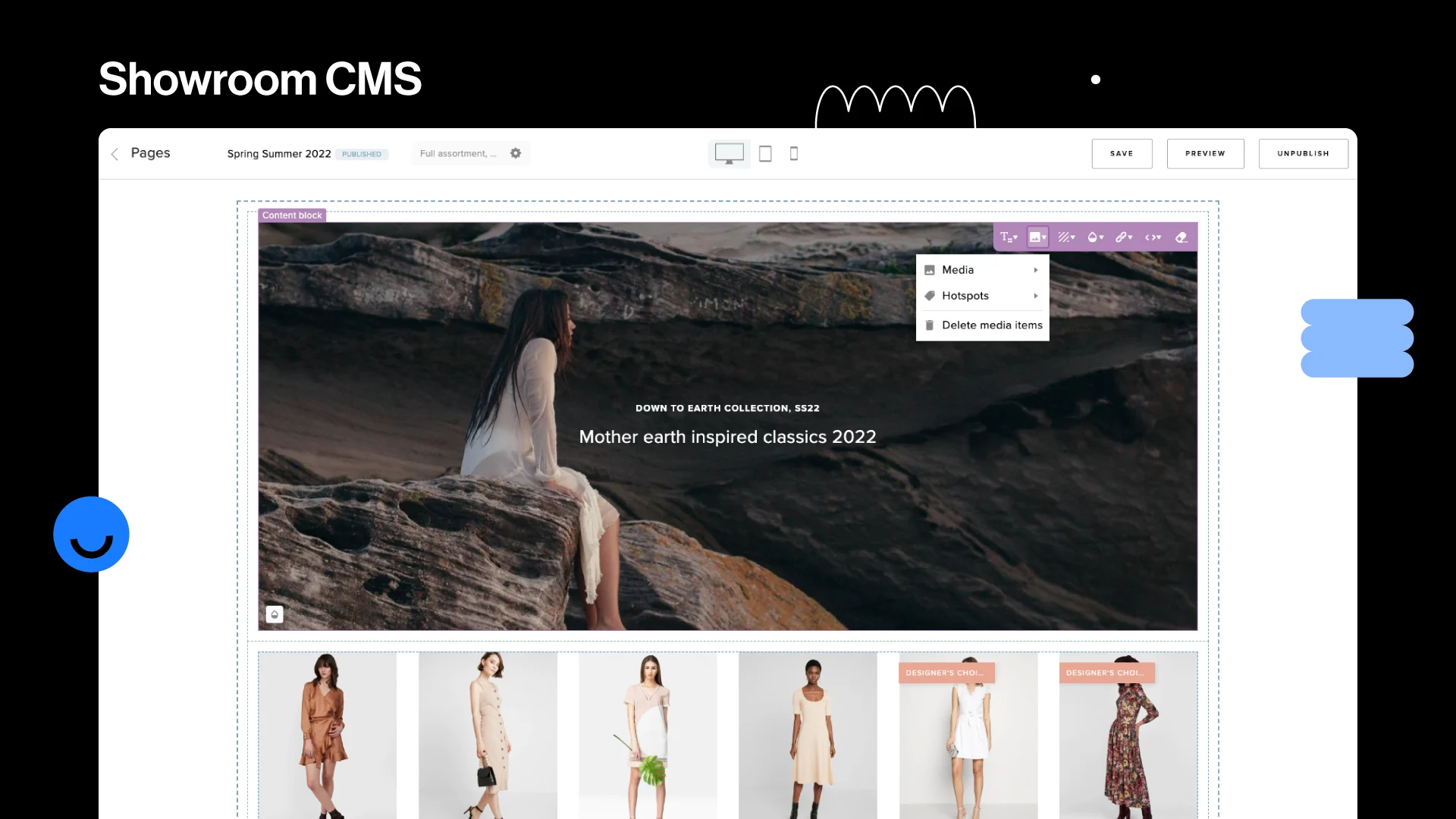
The platform includes a lightweight product information management system that enables users to collect, enrich, update, and distribute product information across connected channels. This functionality is especially relevant to fashion brands that manage complex product variants, seasonal collections, regional descriptions, media assets, and market-specific product information.
Centra also supports multiple currencies, languages, price lists, markets, warehouses, payment options, and regional storefront experiences. Brands can manage international commerce through one back-end platform while adapting customer-facing content and commercial settings for individual markets.
By combining headless ecommerce, product management, order management, international selling, wholesale commerce, inventory coordination, and API connectivity, Centra helps global consumer brands operate more flexible and scalable digital commerce environments.
Key Objectives of Centra Software
Support Global Ecommerce Growth
Centra helps fashion and lifestyle brands launch and manage ecommerce operations across multiple countries, currencies, languages, and regional markets.
Unify DTC and Wholesale Commerce
The platform connects direct-to-consumer, wholesale, and supported in-store sales channels through shared product, inventory, pricing, and customer data.
Improve Product Information Management
Centra provides product management tools designed to handle complex catalogues, variants, collections, media, descriptions, and market-specific information.
Deliver Localised Shopping Experiences
Brands can create localised storefronts with market-specific pricing, languages, currencies, content, size charts, taxes, shipping methods, and payment options.
Enable Headless Commerce
Centra allows businesses to separate customer-facing storefronts from back-end commerce operations, providing greater flexibility over design and technology.
Simplify Cross-Border Selling
The platform centralises international commerce requirements so businesses can manage multiple markets without maintaining completely separate ecommerce systems.
Improve Ecommerce Scalability
Centra is designed to support growing order volumes, product catalogues, collection launches, seasonal traffic, and international business expansion.
Centra Software Categories
Primary Category
Centra primarily belongs to the Ecommerce Software category. The platform enables fashion, lifestyle, and consumer brands to sell products online while managing catalogues, pricing, inventory, orders, payments, customers, and multiple markets.
Primary Category:
Secondary Categories
Centra extends beyond basic online store management by supporting headless architecture, international commerce, wholesale operations, product data, order processing, and multiple sales channels.
Secondary Categories:
- B2B Ecommerce Software
- B2C Ecommerce Software
- Headless Ecommerce Software
- Composable Commerce Software
- Fashion Ecommerce Software
- Product Information Management Software
- Order Management Software
- Inventory Management Software
- Multi-Channel Ecommerce Software
- Wholesale Management Software
- Cross-Border Ecommerce Software
- Digital Commerce Software
Key Features of Centra Software
Headless Ecommerce Architecture
Centra provides a headless commerce architecture that separates front-end presentation from back-end ecommerce functionality.
Headless Commerce Features Include:
- API-first commerce architecture
- Front-end technology flexibility
- Custom storefront development
- Mobile commerce support
- Multiple customer touchpoints
- Independent front-end updates
- Commerce engine connectivity
- Composable technology support
These capabilities allow brands to create distinctive ecommerce experiences without being restricted by predefined storefront templates.
Direct-to-Consumer Ecommerce
Centra provides direct-to-consumer ecommerce capabilities for brands selling products directly to customers through digital channels.
DTC Ecommerce Features Include:
- Online product selling
- Customer account management
- Product catalogue presentation
- Shopping cart functionality
- Checkout management
- Payment processing connections
- Order management
- Market-specific storefronts
Centra’s DTC module is designed to help fashion and lifestyle brands manage customer-facing commerce across international markets.
Digital Wholesale Commerce
Centra enables brands to manage wholesale relationships and sell products digitally to retailers, distributors, and other business buyers.
Digital Wholesale Features Include:
- B2B buyer access
- Wholesale product catalogues
- Account-specific pricing
- Digital order placement
- Sales representative support
- Buyer order management
- Collection presentation
- Wholesale inventory visibility
Combining wholesale and direct-to-consumer commerce within one platform can help brands maintain more consistent product and inventory information.
Product Information Management
Centra includes native product information management functionality designed for complex fashion and lifestyle catalogues.
Product Information Management Features Include:
- Centralised product records
- Product description management
- Variant management
- Size and colour attributes
- Collection organisation
- Product image management
- Market-specific product information
- Multi-channel product distribution
These tools help businesses maintain accurate and consistent product information across markets and sales channels.
Product Variant Management
Fashion products frequently contain several combinations of size, colour, material, fit, and style. Centra enables brands to manage these product relationships within structured product records.
Product Variant Features Include:
- Size variants
- Colour variants
- Style variations
- Material attributes
- SKU management
- Variant-level inventory
- Variant pricing
- Product relationship management
This functionality helps fashion ecommerce businesses manage complex catalogues without treating every individual variation as an unrelated product.
Collection and Season Management
Fashion brands often organise products according to collections, seasons, drops, or campaigns. Centra provides tools for structuring and distributing these product groups.
Collection Management Features Include:
- Seasonal catalogue organisation
- Collection creation
- Product drop management
- Campaign-based product grouping
- Collection availability dates
- Regional assortment control
- Wholesale collection presentation
- Product launch coordination
Collection management helps merchandising teams prepare seasonal launches and keep product availability aligned across sales channels.
Multi-Market Management
Centra enables brands to manage several geographic markets through one commerce platform.
Multi-Market Features Include:
- Market-specific storefront settings
- Regional product availability
- Local pricing
- Market-specific currencies
- Local language content
- Regional shipping rules
- Tax configuration
- Market-specific payment options
This helps businesses create local customer experiences without duplicating their entire ecommerce operation for each country.
Multi-Currency Support
Centra supports international ecommerce through multiple currency configurations.
Multi-Currency Features Include:
- More than 100 supported currencies
- Market-based currency settings
- Currency-specific prices
- Local checkout currencies
- Regional price lists
- Currency display control
- International transaction support
- Market-specific commercial settings
Centra states that brands can customise storefronts based on a customer’s location and support more than 100 currencies.
Market-Based Pricing
Centra allows brands to create separate price lists and commercial strategies for different geographic markets.
Market-Based Pricing Features Include:
- Local price lists
- Market-specific product prices
- Regional discount strategies
- Tax-aware pricing
- Shipping cost consideration
- Currency-specific prices
- Local promotional pricing
- Price list management
Instead of relying entirely on automated currency conversion, brands can establish prices based on local customer expectations, taxes, shipping costs, competition, and market positioning.
Multi-Language Commerce
Centra supports localised product information and storefront content for customers in different regions.
Multi-Language Features Include:
- Product description translation
- Market-specific content
- Localised checkout information
- Regional campaign messaging
- Language-based storefronts
- Local product attributes
- Translated customer communication
- International content management
Multi-language support enables brands to provide more relevant shopping experiences while operating from a central back-end system.
Inventory Management
Centra provides inventory management capabilities that help brands maintain product availability across DTC, wholesale, and connected sales channels.
Inventory Management Features Include:
- Centralised inventory visibility
- Variant-level stock tracking
- Multi-warehouse inventory
- Channel inventory allocation
- Market-specific availability
- Stock reservation
- Inventory updates
- Shared inventory data
Connecting inventory across channels can reduce overselling and improve product availability decisions.
Multi-Warehouse Management
International brands may hold stock across several warehouses, fulfilment centres, stores, or regional logistics providers.
Multi-Warehouse Features Include:
- Multiple warehouse records
- Warehouse-level inventory
- Regional fulfilment support
- Order routing information
- Stock allocation
- Market-to-warehouse connections
- Inventory synchronisation
- Warehouse availability control
Centra natively supports multiple warehouses as part of its international commerce capabilities.
Order Management
Centra provides order management tools for processing customer and wholesale transactions.
Order Management Features Include:
- Order creation
- Customer order records
- Wholesale order management
- Payment status visibility
- Fulfilment information
- Order updates
- Cancellation management
- Return-related workflows
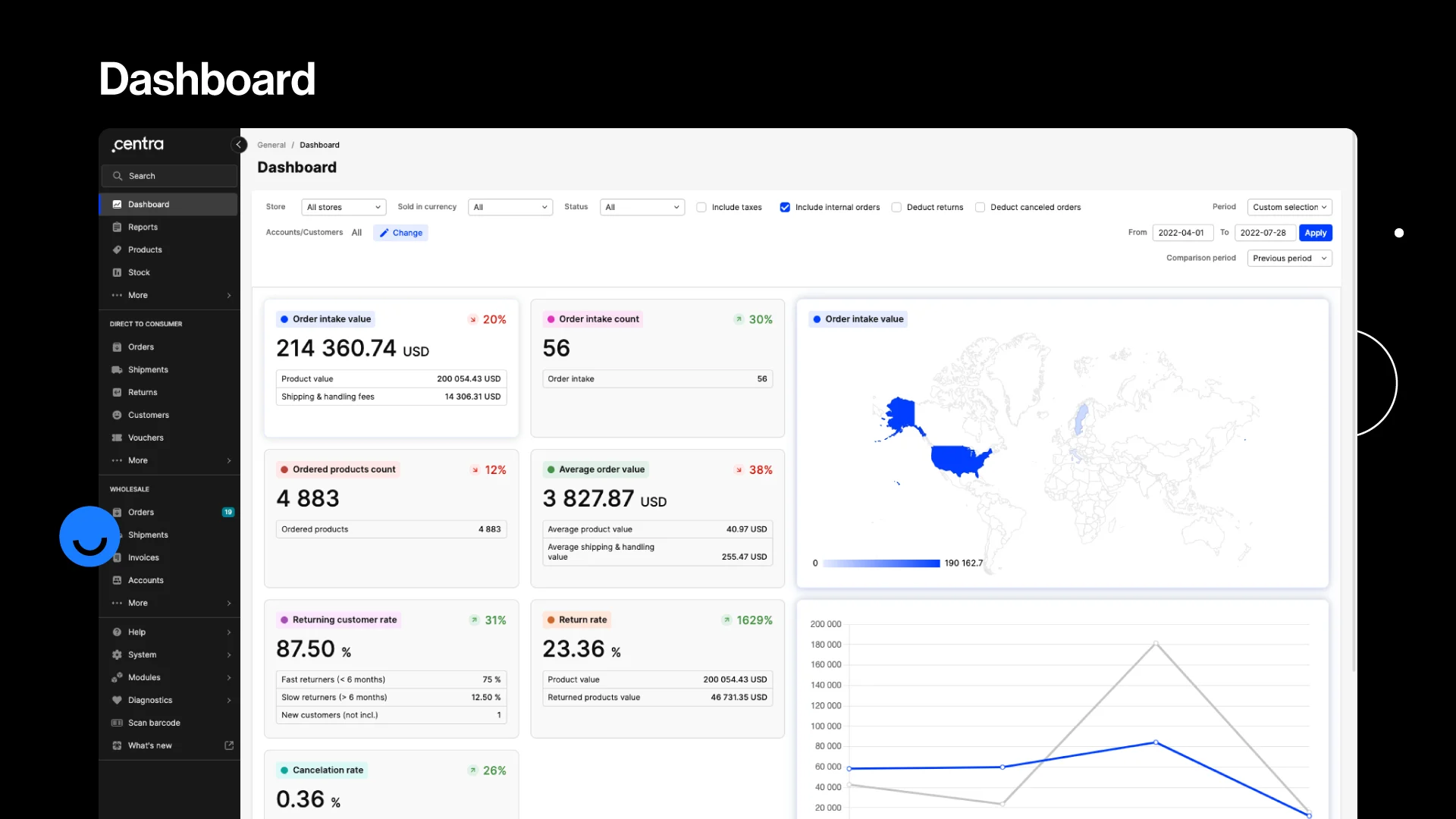
Centralised order information helps ecommerce teams monitor transactions from purchase through fulfilment and post-purchase service.
Checkout Management
Centra enables businesses to create checkout experiences adapted to different markets and customer requirements.
Checkout Features Include:
- Localised checkout experiences
- Multiple payment options
- Currency-specific checkout
- Shipping option display
- Tax calculation support
- Customer address management
- Discount application
- Order confirmation
A flexible checkout process can help brands reduce friction and improve conversion across international markets.
Promotion and Campaign Management
Centra provides commercial tools for creating product promotions and market-specific campaigns.
Promotion Features Include:
- Discount campaigns
- Promotional price lists
- Voucher management
- Market-specific offers
- Product-level promotions
- Campaign scheduling
- Regional discount control
- Sales event management
These tools support seasonal sales, collection launches, customer acquisition campaigns, and local market promotions.
Customer Management
Centra stores customer and buyer information connected to orders, markets, and sales activity.
Customer Management Features Include:
- Customer profiles
- Contact details
- Purchase history
- Market associations
- Order records
- Customer group management
- Wholesale buyer accounts
- Account-specific commercial settings
Centralised customer data helps ecommerce teams provide more consistent service and analyse purchasing behaviour.
API Connectivity
Centra makes commerce data available through APIs, allowing brands to connect the platform with front-end experiences and external business applications.
API Features Include:
- Product data access
- Order data connectivity
- Inventory data access
- Customer information exchange
- Front-end integrations
- Third-party service connections
- Custom commerce workflows
- Best-of-breed technology integration
Centra describes its platform as highly scalable, cloud-based, and supported by a powerful API suitable for best-of-breed commerce environments.
Benefits of Using Centra Software
Better International Commerce Management
Centra enables brands to manage multiple currencies, languages, markets, warehouses, and price lists from one central platform.
Greater Storefront Flexibility
The headless architecture gives design and development teams greater control over customer-facing ecommerce experiences.
Unified DTC and Wholesale Operations
Brands can manage consumer and wholesale channels without maintaining entirely disconnected product and inventory systems.
Improved Product Data Accuracy
Centralised product information management helps teams update and distribute consistent product details across markets and channels.
Faster Market Expansion
Native international commerce capabilities can help businesses launch in new regions without depending on numerous additional plugins.
Stronger Brand Experiences
Custom storefront development allows fashion and lifestyle brands to create digital experiences that reflect their individual visual identities.
Better Scalability
Centra is designed to support large catalogues, collection releases, sales peaks, international markets, and growing transaction volumes.
Reduced Platform Maintenance
As a cloud-based and versionless platform, Centra manages ongoing operations, updates, maintenance, and bug fixes as part of its service.
Integrations of Centra Software
Centra is designed as an API-first and composable ecommerce platform, enabling fashion and lifestyle brands to connect the software with storefront technologies, payment providers, fulfilment systems, enterprise applications, marketing tools, analytics platforms, and other business services.
The platform allows organisations to build a technology ecosystem around their operational needs instead of relying entirely on one fixed collection of native applications. This flexibility is particularly valuable for international brands that require different services across markets, channels, warehouses, and customer touchpoints.
Payment Service Provider Integrations
Centra can connect with payment service providers to help brands offer suitable payment methods across different markets.
Payment Integration Capabilities Include:
- Credit and debit card processing
- Digital wallet support
- Buy now, pay later services
- Local payment methods
- Multi-currency transactions
- Payment authorisation
- Refund processing
- Payment status synchronisation
Offering local and familiar payment options can help brands reduce checkout friction and improve conversion rates in international markets.
Klarna Integration
Klarna is a widely used payment service that supports flexible payment experiences such as buy now, pay later and instalment-based purchasing.
Klarna Integration Capabilities Include:
- Flexible customer payments
- Deferred payment options
- Instalment plans
- Checkout integration
- Payment status updates
- Regional payment availability
- Customer payment management
- Refund support
Klarna can be particularly valuable for fashion and lifestyle brands operating in markets where flexible payment methods are widely adopted.
Adyen Integration
Adyen provides global payment processing and supports multiple payment methods, currencies, and regional markets.
Adyen Integration Capabilities Include:
- International payment processing
- Local payment methods
- Multi-currency transactions
- Fraud prevention support
- Payment authorisation
- Refund management
- Transaction reporting
- Omnichannel payment support
The integration can help international brands manage payments across several markets through one connected payment infrastructure.
Stripe Integration
Stripe can be connected with ecommerce platforms to process digital payments and support online checkout experiences.
Stripe Integration Capabilities Include:
- Card payment processing
- Digital wallet support
- International payments
- Payment status tracking
- Refund processing
- Fraud protection tools
- Subscription-related payment support
- Transaction data access
Brands should verify whether the required Stripe connection and local payment methods are supported within their Centra implementation.
PayPal Integration
PayPal enables customers to complete purchases using their PayPal accounts and supported payment methods.
PayPal Integration Capabilities Include:
- PayPal checkout
- Account-based payments
- International transactions
- Payment confirmation
- Refund processing
- Mobile checkout support
- Customer payment security
- Transaction visibility
Providing PayPal can improve customer convenience in markets where it is a preferred online payment method.
Front-End Framework Integrations
Centra’s headless architecture allows development teams to create storefronts using modern front-end frameworks and technologies.
Front-End Technology Connections May Include:
- React
- Next.js
- Vue.js
- Nuxt
- JavaScript frameworks
- Progressive web applications
- Mobile applications
- Custom digital storefronts
This enables brands to design highly customised ecommerce experiences without being restricted to a predefined theme or template system.
Content Management System Integrations
Brands can connect Centra with a content management system to manage editorial content, campaign pages, product storytelling, and localised website information.
CMS Integration Capabilities Include:
- Content page management
- Product storytelling
- Campaign landing pages
- Editorial content
- Multi-language website content
- Image and media management
- Market-specific content delivery
- Headless content distribution
Possible content management connections may include Contentful, Storyblok, Sanity, and other headless CMS platforms, depending on the brand’s selected technology architecture.
Enterprise Resource Planning Integrations
Centra can be connected with enterprise resource planning systems to exchange product, inventory, financial, order, and operational data.
ERP Integration Capabilities Include:
- Product data synchronisation
- Inventory updates
- Order transfer
- Customer information exchange
- Financial data connectivity
- Fulfilment status updates
- Purchase order information
- Business reporting support
ERP connections are important for brands that need ecommerce activity to remain aligned with finance, procurement, production, and supply chain operations.
Warehouse Management Integrations
Warehouse and fulfilment systems can be connected with Centra to coordinate inventory and order processing.
Warehouse Integration Capabilities Include:
- Inventory synchronisation
- Order transmission
- Fulfilment status updates
- Warehouse selection
- Shipment confirmation
- Stock adjustments
- Return processing
- Multi-warehouse coordination
These connections help ensure that product availability and order status remain accurate across the ecommerce platform and fulfilment network.
Shipping and Logistics Integrations
Centra can work with shipping platforms, carriers, and logistics providers to support order delivery across multiple regions.
Shipping Integration Capabilities Include:
- Shipping method selection
- Carrier connections
- Delivery price calculation
- Shipment creation
- Tracking information
- Customs-related data
- Delivery status updates
- International fulfilment support
Fashion brands operating across borders should evaluate shipping integrations based on destination coverage, return handling, customs requirements, and delivery service levels.
Customer Relationship Management Integrations
CRM connections can help brands transfer customer, purchase, and engagement data into systems used by sales, marketing, and customer service teams.
CRM Integration Capabilities Include:
- Customer profile synchronisation
- Purchase history transfer
- Customer segmentation
- Account information sharing
- Customer support context
- Campaign audience creation
- Loyalty data connections
- Customer lifecycle tracking
These integrations can help businesses create more personalised marketing and customer service experiences.
Marketing Automation Integrations
Marketing platforms can use Centra data to power customer segmentation, campaign automation, product recommendations, and post-purchase communication.
Marketing Integration Capabilities Include:
- Email marketing
- Customer segmentation
- Abandoned cart communication
- Product recommendation campaigns
- Order confirmation messaging
- Customer win-back campaigns
- Loyalty communication
- Promotional automation
Common marketing technologies may include Klaviyo, Mailchimp, Bloomreach, Voyado, and other customer engagement platforms, depending on the implementation.
Analytics and Business Intelligence Integrations
Centra can provide commerce data to analytics and reporting systems for deeper performance analysis.
Analytics Integration Capabilities Include:
- Revenue reporting
- Product performance analysis
- Market comparison
- Customer behaviour analysis
- Conversion tracking
- Inventory reporting
- Channel performance measurement
- Campaign attribution support
Brands can combine ecommerce information with advertising, customer, finance, and operational data to create a more complete understanding of business performance.
Product Search and Personalisation Integrations
Search, merchandising, and personalisation tools can be connected to help customers discover relevant products more efficiently.
Search and Personalisation Capabilities Include:
- Intelligent product search
- Product filtering
- Personalised recommendations
- Search result merchandising
- Customer-specific product displays
- Behaviour-based suggestions
- Collection discovery
- Product ranking controls
These connections can improve the shopping experience for brands managing large product catalogues.
Additional Business Integrations
Additional Integrations May Include:
- Akeneo
- Contentful
- Storyblok
- Sanity
- Klaviyo
- Voyado
- Bloomreach
- Google Analytics
- Google Tag Manager
- Microsoft Dynamics
- SAP
- NetSuite
- Adyen
- Klarna
- Stripe
- PayPal
- Ingrid
- nShift
- Zendesk
- Global-e
The availability and technical requirements of each integration should be confirmed directly with Centra or an implementation partner.
Pros and Cons of Centra Software
Pros | Cons |
Built specifically for fashion and lifestyle brands | May not be suitable for very small merchants seeking a basic online store builder |
Supports direct-to-consumer and wholesale commerce | Implementation may require experienced developers or agency partners |
Headless and API-first architecture | Headless architecture can increase development complexity |
Strong international ecommerce functionality | Pricing is not generally presented as a simple public monthly plan |
Supports multiple currencies, languages, markets, and price lists | Total ownership costs may include development, integrations, and third-party services |
Native product information management capabilities | Businesses may require additional specialised PIM tools for highly complex product data |
Handles fashion-specific variants, collections, and seasons | Learning the full platform may require training |
Supports multiple warehouses and inventory allocation | Some integrations may require custom development |
Enables customised and brand-focused storefront experiences | Not designed primarily for template-based do-it-yourself store creation |
Combines DTC and digital wholesale operations | Migration from a legacy ecommerce platform can be complex |
Composable structure supports best-of-breed technology | Managing multiple connected tools can require strong technical governance |
Cloud-based and versionless platform | May be excessive for businesses operating in only one small market |
Who Should Use Centra Software?
Fashion Brands
Centra is particularly suitable for fashion businesses managing complex product catalogues, seasonal collections, multiple sizes, colours, and international markets.
Fashion brands can use the platform to manage product information, regional prices, collection launches, wholesale sales, inventory, orders, and customer-facing storefront experiences.
The software is especially valuable for brands that want to maintain a strong visual identity and require more design flexibility than a traditional template-based ecommerce platform provides.
Lifestyle Brands
Lifestyle brands selling accessories, home products, personal goods, outdoor equipment, or other consumer products can use Centra to manage international digital commerce.
The platform helps these businesses coordinate product data, market-specific pricing, inventory, direct sales, and wholesale relationships.
Footwear Brands
Footwear businesses often manage numerous size systems, colourways, styles, seasonal products, and regional catalogue requirements.
Centra can help footwear brands structure these variations, allocate inventory, maintain local prices, and sell across multiple markets.
Sportswear and Activewear Companies
Sportswear brands can use Centra to manage technical product attributes, apparel variants, seasonal drops, and international distribution.
The platform can support direct-to-consumer websites, wholesale buyer relationships, and connected commerce systems as the brand expands.
Jewellery and Accessories Brands
Jewellery and accessories businesses can use Centra to manage detailed product information, material attributes, collections, pricing, and premium digital storefronts.
Headless commerce can provide the design freedom needed to create visually rich product experiences.
Beauty and Personal Care Brands
Beauty brands may use Centra to manage product catalogues, regional pricing, international customer experiences, campaigns, and wholesale operations.
The platform may be appropriate for growing beauty brands with strong visual identities and ambitions to enter additional markets.
Home and Interior Brands
Home, furniture, and interior styling businesses can use Centra to organise product attributes, market-specific catalogues, multiple currencies, inventory, and international orders.
These businesses should assess how the platform handles large items, delivery methods, product configuration, and warehouse requirements.
Direct-to-Consumer Brands
DTC brands can use Centra to build custom digital storefronts while managing orders, payments, pricing, customers, inventory, and markets from one commerce engine.
The software can support brands that have outgrown simpler ecommerce tools and require greater flexibility.
Wholesale Businesses
Brands selling to retailers and distributors can use Centra’s digital wholesale capabilities to present collections, manage buyer accounts, apply customer-specific pricing, and receive B2B orders.
This can reduce reliance on manual order forms, spreadsheets, and email-based wholesale processes.
International Ecommerce Businesses
Centra is particularly relevant to organisations selling in several countries.
Its multi-market, multi-currency, multi-language, price list, and warehouse capabilities help businesses maintain localised customer experiences while using one central commerce platform.
Mid-Sized and Enterprise Brands
Centra is generally best suited to established and growing brands that have the budget, technical resources, and operational complexity required for headless commerce.
Companies should have a clear implementation strategy and access to internal developers, external agencies, or certified technology partners.
Centra Software Use Cases
Launching Ecommerce in New Markets
A fashion brand operating in one country wants to expand into several European and international markets.
The business uses Centra to create regional market settings, local currencies, translated product information, individual price lists, shipping methods, tax configurations, and payment options.
This allows the brand to deliver localised storefront experiences while managing all markets through one commerce platform.
Managing Seasonal Fashion Collections
A clothing brand launches several collections every year.
The merchandising team uses Centra to organise products according to season, category, style, colour, and size. Product availability and pricing can be controlled by market and launch date.
The same structured product information can then be distributed across DTC and wholesale channels.
Operating DTC and Wholesale Channels
A lifestyle brand sells directly to consumers through its ecommerce website and also supplies products to independent retailers.
Centra allows the business to manage consumer and wholesale commerce through connected modules. Shared product and inventory data reduces duplication while separate prices and buying experiences can be maintained for each channel.
Creating a Custom Fashion Storefront
A premium fashion brand wants a digital storefront that reflects its visual identity and editorial style.
The development team creates a custom front end using modern web technology while Centra manages products, prices, inventory, orders, payments, customers, and market information in the background.
Managing Regional Pricing
A footwear brand sells products in Europe, North America, and Asia.
Instead of applying only automatic currency conversion, the company creates market-specific prices that consider local demand, competition, taxes, shipping costs, and brand positioning.
Centra stores and delivers the appropriate price list for each market.
Coordinating Multiple Warehouses
An international apparel brand stores stock in warehouses across different regions.
Centra maintains warehouse-level inventory information and supports the allocation of product availability across markets and sales channels.
This helps the business direct orders toward suitable fulfilment locations and improve stock visibility.
Running Product Drops
A streetwear brand releases limited product drops that generate large traffic spikes.
Centra’s scalable commerce infrastructure supports the product launch while market and inventory controls help the brand manage availability.
The headless storefront can be designed to deliver a distinctive campaign experience around each release.
Managing Digital Wholesale Orders
A fashion brand presents its new collection to retail buyers.
Approved wholesale customers can access relevant products, account-specific pricing, and order functionality through a digital wholesale experience.
Sales representatives can support buyers while maintaining clearer records of submitted orders.
Connecting a Composable Commerce Stack
A growing brand wants to use different specialist tools for content, payments, search, marketing automation, logistics, and analytics.
Centra functions as the central commerce engine while APIs connect these technologies into a composable ecommerce environment.
Top Centra Alternatives
Shopify Plus
Shopify Plus is an enterprise ecommerce platform designed for high-growth and large merchants.
It provides hosted commerce infrastructure, storefront tools, payment options, application integrations, international selling, and B2B capabilities.
Shopify Plus may be easier to launch than a fully composable implementation, while Centra may offer more specialised fashion commerce and market configuration capabilities.
Adobe Commerce
Adobe Commerce is an enterprise ecommerce platform offering extensive product management, B2B commerce, promotions, order management, personalisation, and customisation.
It may suit organisations requiring highly configurable commerce environments, although implementation and maintenance can be complex.
commercetools
commercetools is a headless and composable commerce platform built around APIs and modular commerce services.
It provides substantial technical flexibility and is commonly considered by large enterprises building customised commerce ecosystems.
Centra may offer a more fashion-focused out-of-the-box operating model.
BigCommerce Enterprise
BigCommerce Enterprise provides hosted ecommerce functionality, headless commerce options, B2B capabilities, multi-storefront support, and third-party integrations.
It can be considered by brands seeking a scalable SaaS platform with a broader merchant focus.
Salesforce Commerce Cloud
Salesforce Commerce Cloud is an enterprise digital commerce platform offering B2C and B2B functionality, personalisation, customer data connectivity, order capabilities, and integrations with the Salesforce ecosystem.
It may be suitable for global enterprises already using Salesforce applications.
Scayle
Scayle is a commerce platform designed to support B2C brands and retailers with international ecommerce, product management, checkout, order processing, and composable architecture.
It is a relevant alternative for fashion and lifestyle businesses with complex commerce requirements.
Spryker
Spryker is a composable commerce platform supporting B2C, B2B, marketplace, and unified commerce models.
It provides modular technology for businesses requiring highly customised commerce processes.
VTEX
VTEX is an enterprise digital commerce platform offering ecommerce, marketplace, order management, and omnichannel functionality.
It may suit retailers and brands operating complex marketplace or multi-seller business models.
Shopware
Shopware provides ecommerce software for B2C and B2B businesses, with support for headless commerce, product management, international sales, and custom storefront experiences.
Norce Commerce
Norce is a composable ecommerce platform used by brands and retailers requiring flexible integrations, product management, order capabilities, and international commerce support.
Centra vs Competitors
Feature | Centra | Shopify Plus | commercetools | Adobe Commerce |
Headless Commerce | Yes | Yes | Yes | Yes |
Fashion-Specific Focus | Strong | General | General | General |
DTC Commerce | Yes | Yes | Yes | Yes |
Digital Wholesale | Yes | Yes | Customisable | Yes |
Multi-Market Management | Yes | Yes | Customisable | Yes |
Market-Specific Price Lists | Yes | Available | Customisable | Yes |
Multi-Currency Support | Yes | Yes | Yes | Yes |
Multi-Language Support | Yes | Yes | Customisable | Yes |
Native Product Information Management | Yes | Basic | Requires services or integration | Advanced catalogue management |
Multi-Warehouse Support | Yes | Yes | Customisable | Yes |
Template-Based Store Setup | Limited | Strong | No | Available |
API-First Architecture | Yes | Available | Core architecture | Available |
Implementation Complexity | Medium to High | Medium | High | High |
Best For | Global fashion and lifestyle brands | High-growth merchants across industries | Enterprises building composable commerce systems | Large and complex ecommerce organisations |
Why Choose Centra?
Centra is differentiated by its focus on the ecommerce requirements of fashion and lifestyle brands. The platform is not simply a general online store builder. Its product structure, international market controls, wholesale capabilities, pricing tools, and headless architecture are designed to support brands with complex catalogues and global ambitions.
One of the major reasons to choose Centra is its ability to connect direct-to-consumer and wholesale commerce. Fashion brands commonly sell through their own websites while also supplying retailers, distributors, and commercial buyers. Centra allows these channels to share product and inventory information while maintaining separate commercial experiences.
International commerce is another important advantage. Businesses can manage multiple markets, currencies, languages, warehouses, price lists, shipping methods, and payment services from a central platform. This can reduce the need to create an entirely separate ecommerce environment for every country.
The headless and composable architecture provides greater design and technology flexibility. Brands can build customised storefronts that reflect their identity while integrating specialised technologies for content, search, payments, marketing, analytics, fulfilment, and customer service.
Centra also offers native functionality for fashion-specific product structures, including variants, sizes, colours, seasons, collections, and market-based assortments. These capabilities can reduce the operational challenges associated with managing complex product catalogues.
The platform is most appropriate for established and growing brands with international operations, significant ecommerce ambitions, or combined DTC and wholesale requirements. Smaller companies that only require a simple storefront may find a template-based platform easier and more economical.
Before selecting Centra, businesses should evaluate implementation costs, technical resources, integration requirements, support arrangements, migration complexity, and long-term commerce strategy.
Frequently Asked Questions
What Is Centra Software?
Centra is a cloud-based, headless ecommerce platform designed primarily for global fashion and lifestyle brands. It supports direct-to-consumer commerce, digital wholesale, product management, international markets, pricing, inventory, orders, payments, and API-based integrations.
Is Centra an Ecommerce Platform?
Yes. Centra is an ecommerce software platform that provides the back-end commerce functionality needed to manage products, customers, orders, payments, inventory, pricing, and international sales.
Is Centra a Headless Commerce Platform?
Yes. Centra uses a headless architecture that separates front-end storefront experiences from the back-end commerce engine. This allows brands to build customised websites and customer interfaces using their preferred technologies.
Who Uses Centra Software?
Centra is primarily used by fashion, lifestyle, footwear, sportswear, accessories, jewellery, beauty, and consumer product brands. It is generally best suited to mid-sized, growing, and enterprise businesses.
Does Centra Support Wholesale Ecommerce?
Yes. Centra supports digital wholesale commerce, including B2B buyer accounts, wholesale catalogues, account-specific pricing, collection presentation, and online order placement.
Does Centra Support Multiple Currencies?
Yes. Centra supports international ecommerce through multiple currencies and market-specific price lists. Businesses can present local currencies and establish prices according to regional strategies.
Can Centra Manage Multiple Markets?
Yes. Brands can create and manage multiple geographic markets with separate currencies, prices, languages, assortments, payment methods, taxes, shipping options, and storefront settings.
Does Centra Include Product Information Management?
Centra includes native product information management capabilities. Brands can manage product descriptions, variants, images, sizes, colours, collections, seasons, and market-specific information.
Can Centra Manage Multiple Warehouses?
Yes. Centra supports multiple warehouses and warehouse-level inventory information. This can help brands manage stock across regional fulfilment locations.
Does Centra Integrate with Other Software?
Yes. Centra’s API-first architecture allows it to connect with content management systems, payment providers, ERP platforms, warehouse systems, marketing tools, analytics software, customer service applications, and other technologies.
Is Centra Suitable for Small Businesses?
Centra may suit well-funded or rapidly scaling small brands with complex international or headless commerce requirements. However, very small businesses seeking a simple template-based online store may find other ecommerce platforms easier to implement.
How Much Does Centra Cost?
Centra typically provides customised pricing based on business requirements, markets, transaction volumes, modules, implementation needs, and integrations. Businesses should contact the vendor for a detailed quotation.
Where Can I Compare Centra with Other Ecommerce Software?
Krowdbase enables businesses to research Centra alongside other ecommerce, headless commerce, composable commerce, B2B ecommerce, product information management, and order management platforms.
Where Can I Find Centra Alternatives?
Businesses can use Krowdbase to explore Centra alternatives such as Shopify Plus, Adobe Commerce, commercetools, BigCommerce Enterprise, Salesforce Commerce Cloud, Scayle, Spryker, VTEX, and Shopware.
Why Use Krowdbase for Ecommerce Software Research?
Krowdbase helps businesses compare ecommerce platforms through detailed product information, features, categories, alternatives, use cases, advantages, and potential limitations. This makes it easier to identify software aligned with specific technical and commercial requirements.
Conclusion
Centra is a specialised headless ecommerce platform created to support the complex digital commerce requirements of global fashion and lifestyle brands. By combining direct-to-consumer ecommerce, digital wholesale, international market management, product information management, order processing, inventory visibility, market-specific pricing, and API connectivity, the platform helps brands operate across multiple channels and regions.
Its fashion-focused product model is one of its most important strengths. Businesses can manage sizes, colours, variants, seasons, collections, drops, and market-specific assortments within a structured commerce environment. This makes Centra particularly relevant to clothing, footwear, accessories, sportswear, beauty, jewellery, and lifestyle companies.
The platform’s international commerce functionality helps brands manage multiple currencies, languages, markets, price lists, warehouses, payment services, and shipping options. These capabilities allow businesses to create localised shopping experiences without maintaining entirely separate ecommerce platforms for each country.
Centra’s headless and API-first architecture also gives brands considerable control over storefront design and technology selection. Businesses can connect specialised tools for content, search, personalisation, payments, logistics, marketing, customer support, and analytics while using Centra as the underlying commerce engine.
The combination of DTC and digital wholesale functionality can provide additional value for brands operating through both consumer and retail buyer channels. Shared product and inventory data can reduce duplication while each sales channel maintains an appropriate buying experience.
However, Centra is not necessarily the best option for every merchant. Its composable architecture may require experienced developers, implementation partners, integration planning, and a larger technology budget. Small businesses that only need a straightforward online store may prefer a simpler template-based platform.
Alternatives such as Shopify Plus, commercetools, Adobe Commerce, BigCommerce Enterprise, Salesforce Commerce Cloud, Scayle, Spryker, and VTEX may provide stronger functionality for certain operating models. Businesses should compare platforms based on their industry, markets, catalogue complexity, sales channels, technical resources, integration requirements, and total cost.
For established fashion and lifestyle brands seeking a flexible ecommerce platform that supports global expansion, custom digital experiences, wholesale operations, and complex product structures, Centra provides a highly relevant commerce solution. Krowdbase can help businesses compare Centra with other ecommerce software platforms before choosing the technology that best supports their current operations and long-term growth.
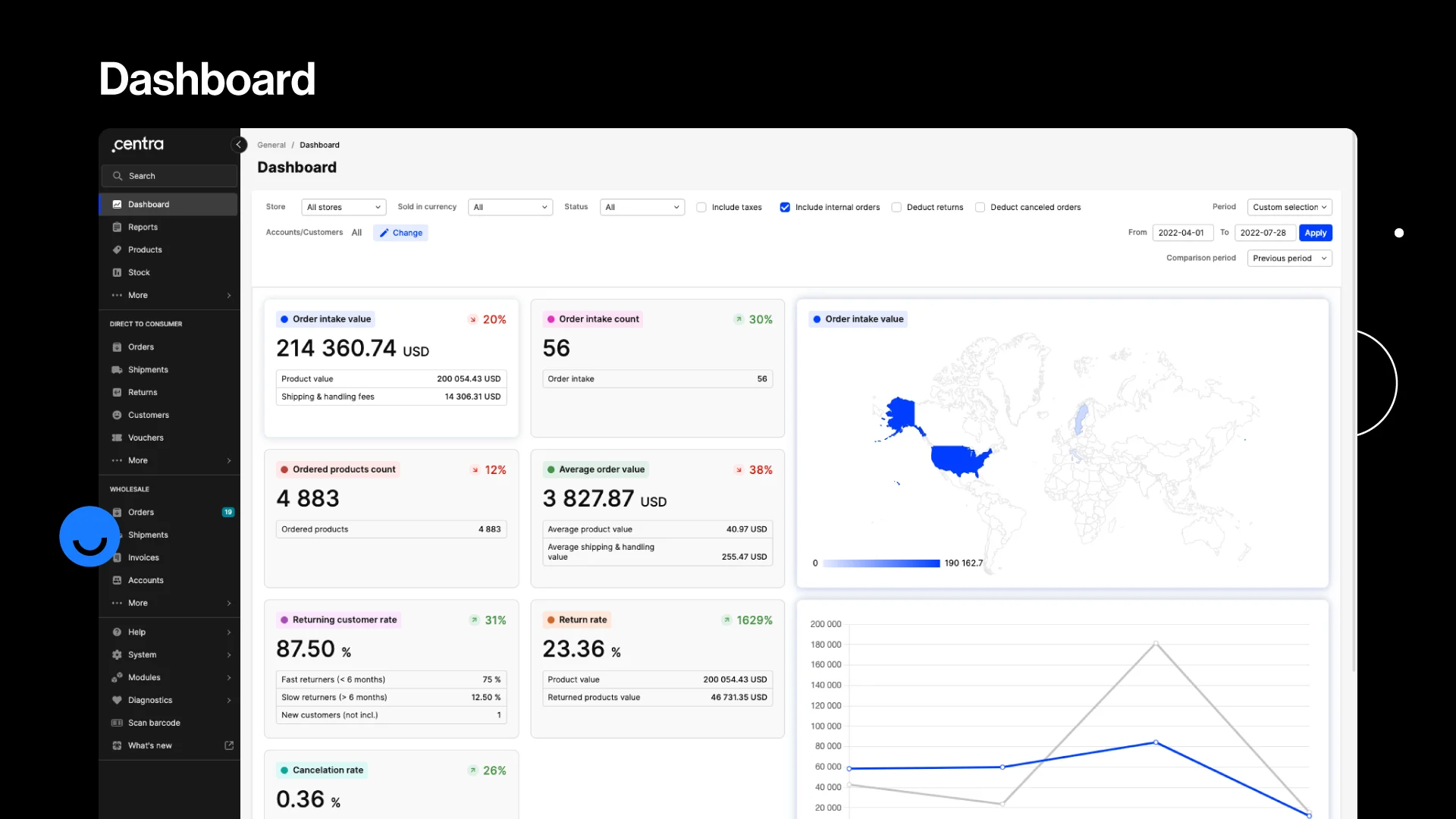
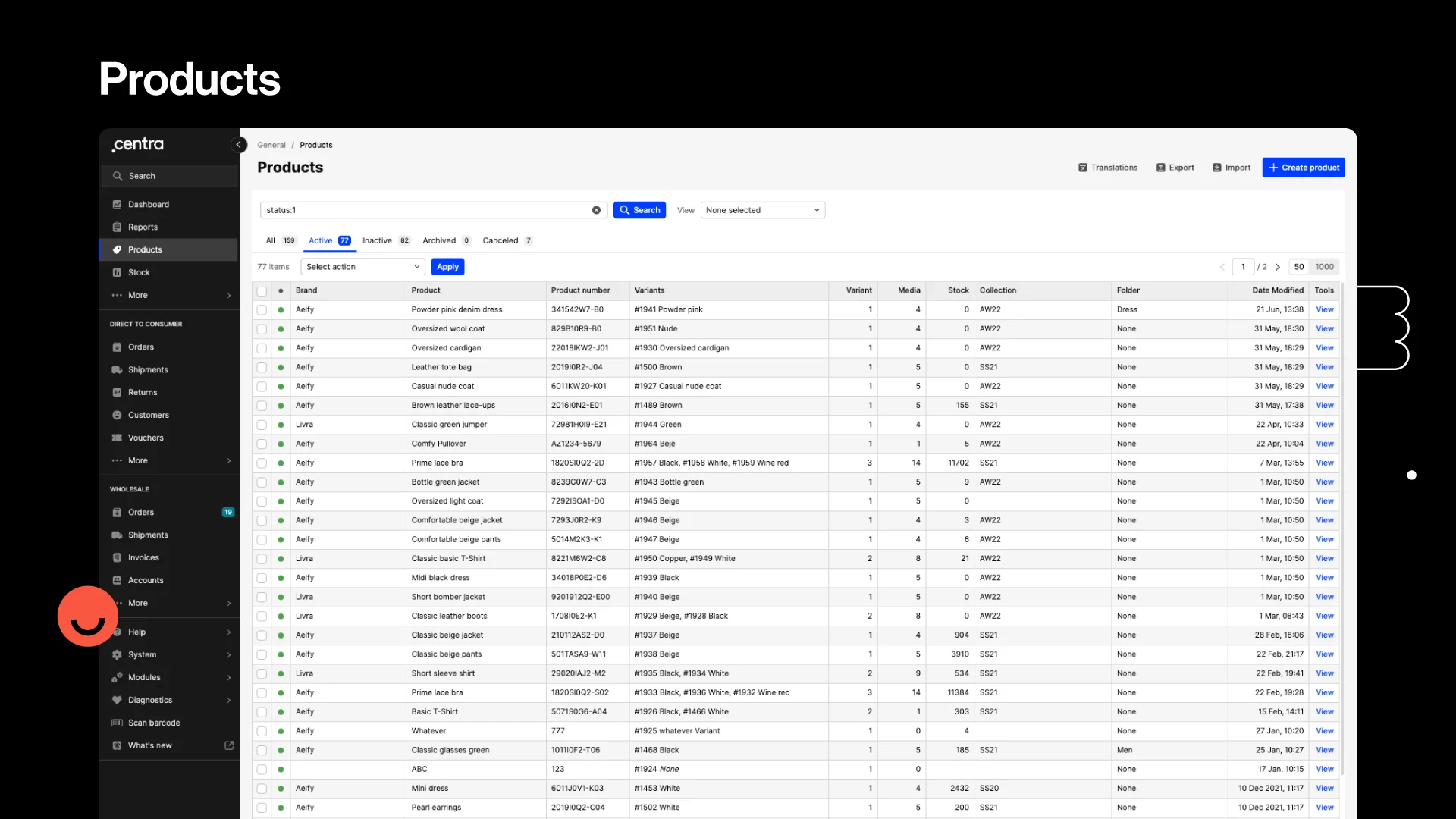
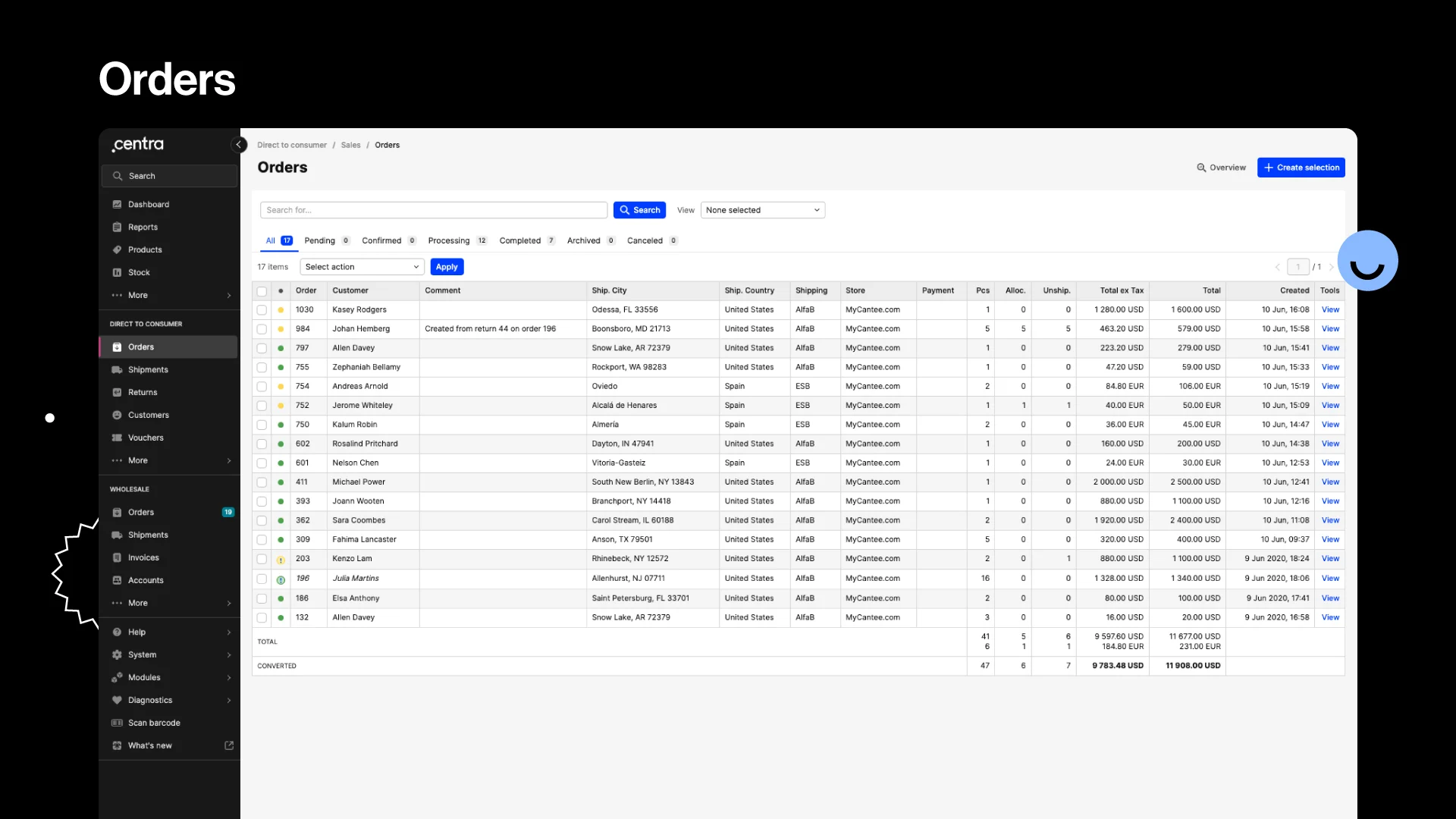
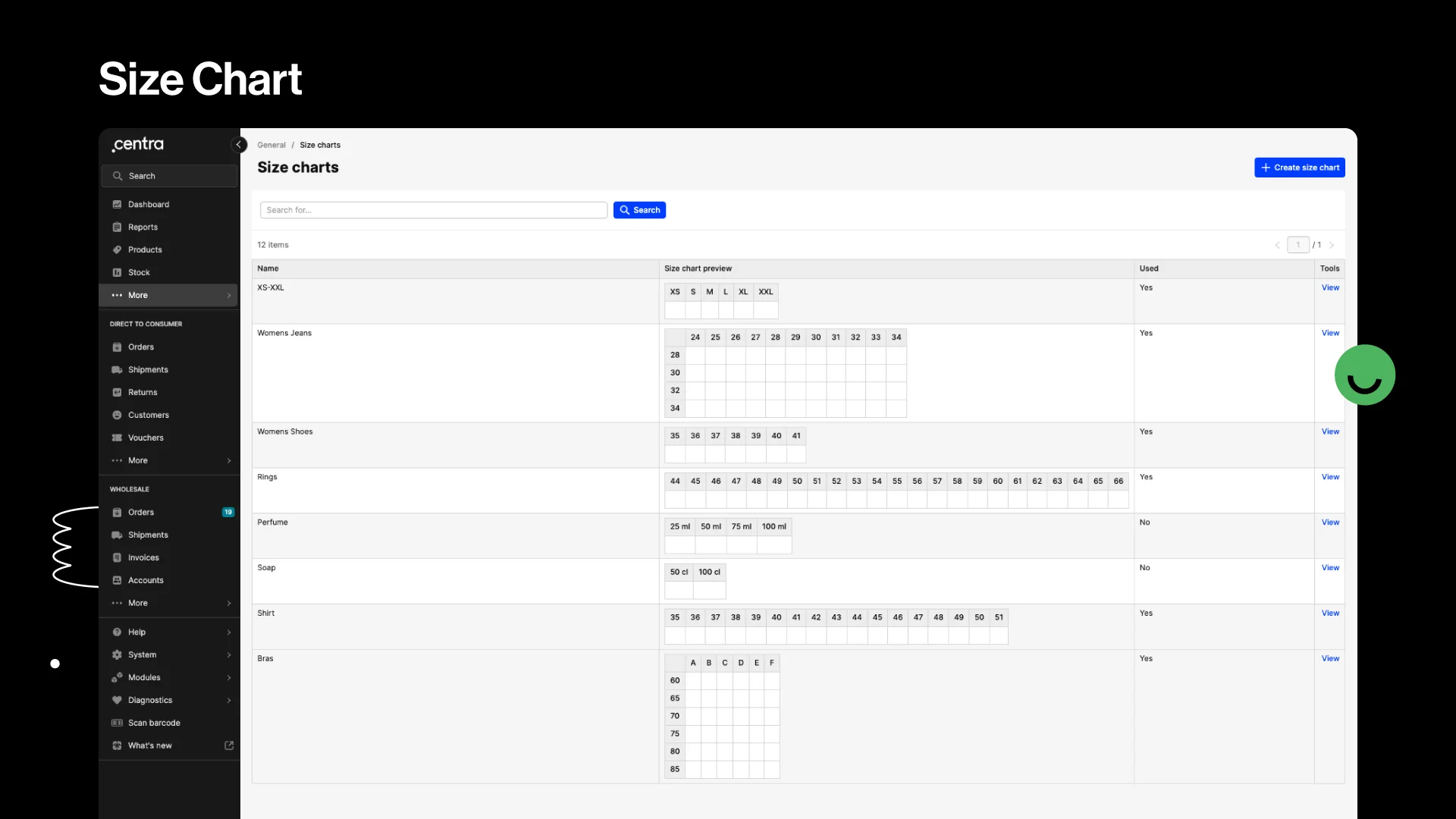
Screenshots
Categories
FAQ
The official website of Centra is https://centra.com/
Centra belongs to the eCommerce, Headless eCommerce, Multi-Channel eCommerce, Small Business eCommerce category.
No, Centra does not offer a free trial.
Need help choosing this software?
Have questions about features, pricing, integrations, or implementation? Send an enquiry to the vendor and get the information you need.