
Sketch
Krowdbase ShortlistDesign, collaborate, prototype, and handoff — all in one workspace.
What is Sketch?
Sketch is a professional vector-based design software created specifically for user interface (UI), user experience (UX), web design, mobile app design, and digital product design. Since its introduction, Sketch has become one of the most recognized design tools among designers, product teams, developers, and creative professionals who require a streamlined platform for creating digital interfaces and interactive experiences.
As businesses continue to invest heavily in websites, mobile applications, SaaS products, and digital platforms, the demand for efficient UI/UX design software has increased significantly. Sketch addresses this need by providing a dedicated environment where designers can create wireframes, user interfaces, design systems, prototypes, and collaborative design projects with precision and efficiency.
Unlike traditional graphic design software that attempts to serve multiple creative disciplines, Sketch is purpose-built for digital product design. The platform focuses on helping teams create modern interfaces, reusable design components, responsive layouts, and scalable design systems that support product development workflows.
Sketch enables designers to create pixel-perfect interfaces while maintaining consistency across projects through symbols, shared libraries, reusable styles, and collaborative workflows. Its intuitive interface and vector-based architecture make it a preferred solution for startups, agencies, enterprises, SaaS companies, and product teams worldwide.
Today, Sketch is widely recognized as one of the leading UI design software solutions for digital product creation, helping organizations streamline design workflows, improve collaboration, and deliver exceptional user experiences across web and mobile platforms.
About Sketch Software
Sketch is a cloud-enabled vector graphics and digital product design software platform developed specifically for interface design, user experience design, wireframing, prototyping, and collaborative product development. The software provides designers with the tools necessary to create user interfaces, design systems, prototypes, icons, website layouts, and mobile application designs within a unified design environment.
The platform was developed to solve challenges associated with traditional graphic design software that often lacked features specifically tailored for UI and UX design. By focusing entirely on digital product creation, Sketch introduced workflows that simplify interface design, reusable components, responsive layouts, and design handoff processes.
Sketch is extensively used by UI designers, UX designers, web designers, mobile app designers, product designers, design agencies, SaaS companies, startups, and enterprise product teams. Organizations rely on Sketch to create consistent user experiences, maintain design standards, and accelerate product development cycles.
One of Sketch's strongest advantages is its emphasis on design systems. Teams can create reusable design components, shared libraries, typography standards, color systems, and interface elements that ensure consistency across products and projects. This capability is particularly valuable for organizations managing multiple products or large-scale digital ecosystems.
Through its combination of vector editing, prototyping, collaboration tools, developer handoff capabilities, and design system management, Sketch has established itself as a leading UI/UX design software platform for modern digital product teams.
Key Objectives of Sketch Software
Simplify Digital Product Design
Sketch helps designers create user interfaces, digital products, and customer experiences through a streamlined design environment optimized for UI and UX workflows.
Improve Design Consistency
The platform enables teams to maintain consistency across projects through reusable components, shared libraries, symbols, and design systems.
Enhance Team Collaboration
Sketch provides collaborative design workflows that allow designers, stakeholders, product managers, and developers to work together more effectively.
Accelerate Product Development
By simplifying design creation, prototyping, and developer handoff, Sketch helps organizations reduce product development timelines.
Support Scalable Design Systems
The platform allows businesses to build and maintain scalable design systems that improve efficiency across large teams and multiple projects.
Improve Design-to-Development Workflows
Sketch helps bridge the gap between designers and developers by providing accurate design specifications and handoff capabilities.
Sketch Software Categories
Primary Category
Sketch primarily belongs to the UI/UX Design Software category. The platform is specifically designed to help organizations create user interfaces, digital experiences, wireframes, prototypes, and design systems for websites, mobile applications, SaaS products, and digital platforms.
Primary Category:
Secondary Categories
Sketch offers capabilities that extend beyond traditional interface design by supporting prototyping, vector graphics creation, collaborative design workflows, design system management, and product design processes.
Secondary Categories:
Key Features of Sketch
Vector Editing Tools
Sketch is built around vector-based design capabilities, allowing designers to create scalable and high-quality digital interfaces with precision.
Vector Editing Features Include:
- Vector shape creation
- Pen tool support
- Boolean operations
- Path editing
- Shape manipulation
- Non-destructive editing
- Precision vector controls
- Scalable design elements
These capabilities help designers create clean and responsive user interfaces for web and mobile applications.
Artboards and Layout Design
Artboards help designers organize multiple screens, pages, and layouts within a single project.
Artboard Features Include:
- Unlimited artboards
- Custom artboard sizes
- Device-specific presets
- Responsive layouts
- Organized design workflows
- Multi-screen design support
- Grid alignment tools
- Flexible workspace management
These features simplify the process of designing complete user experiences.
Symbols and Reusable Components
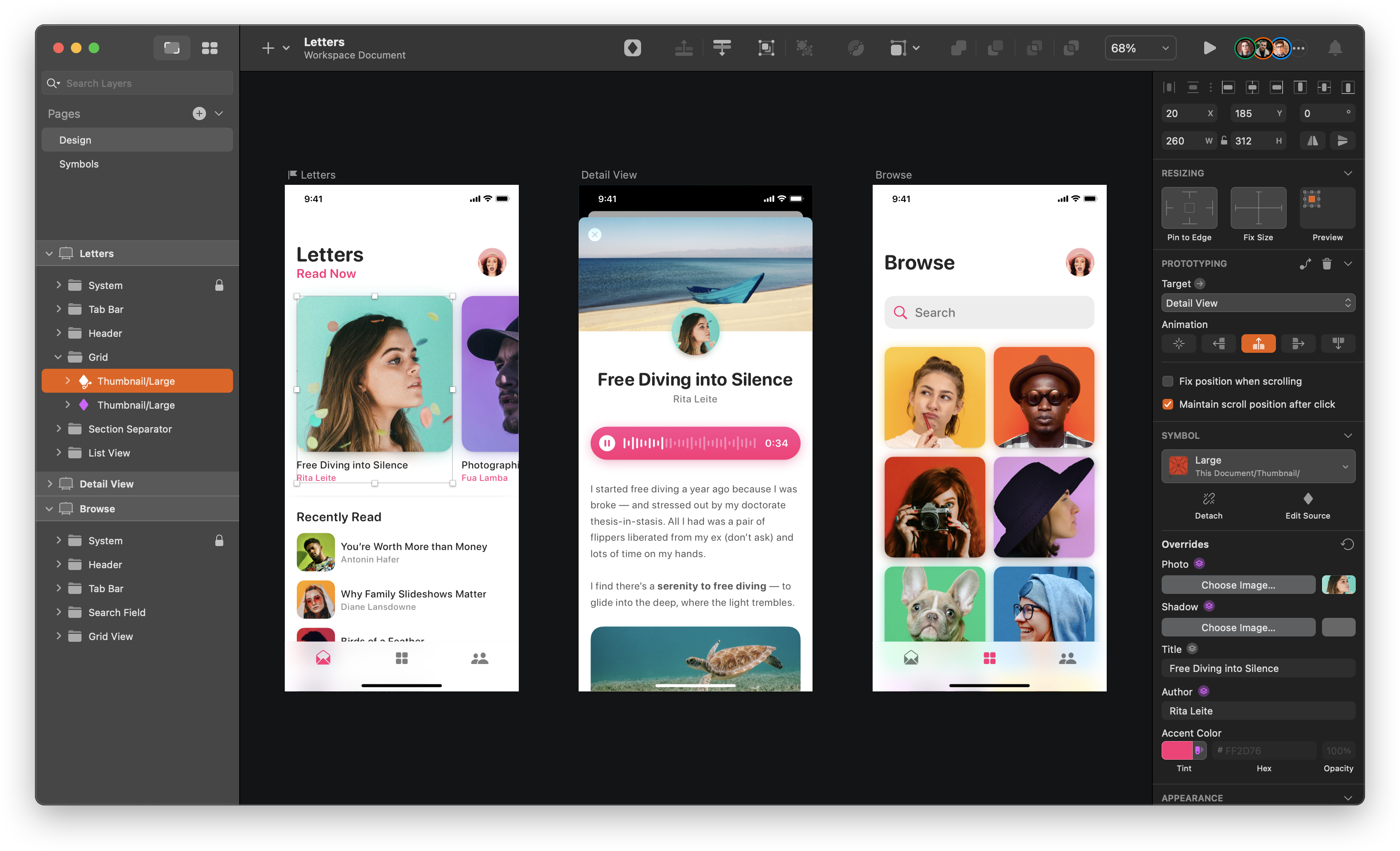
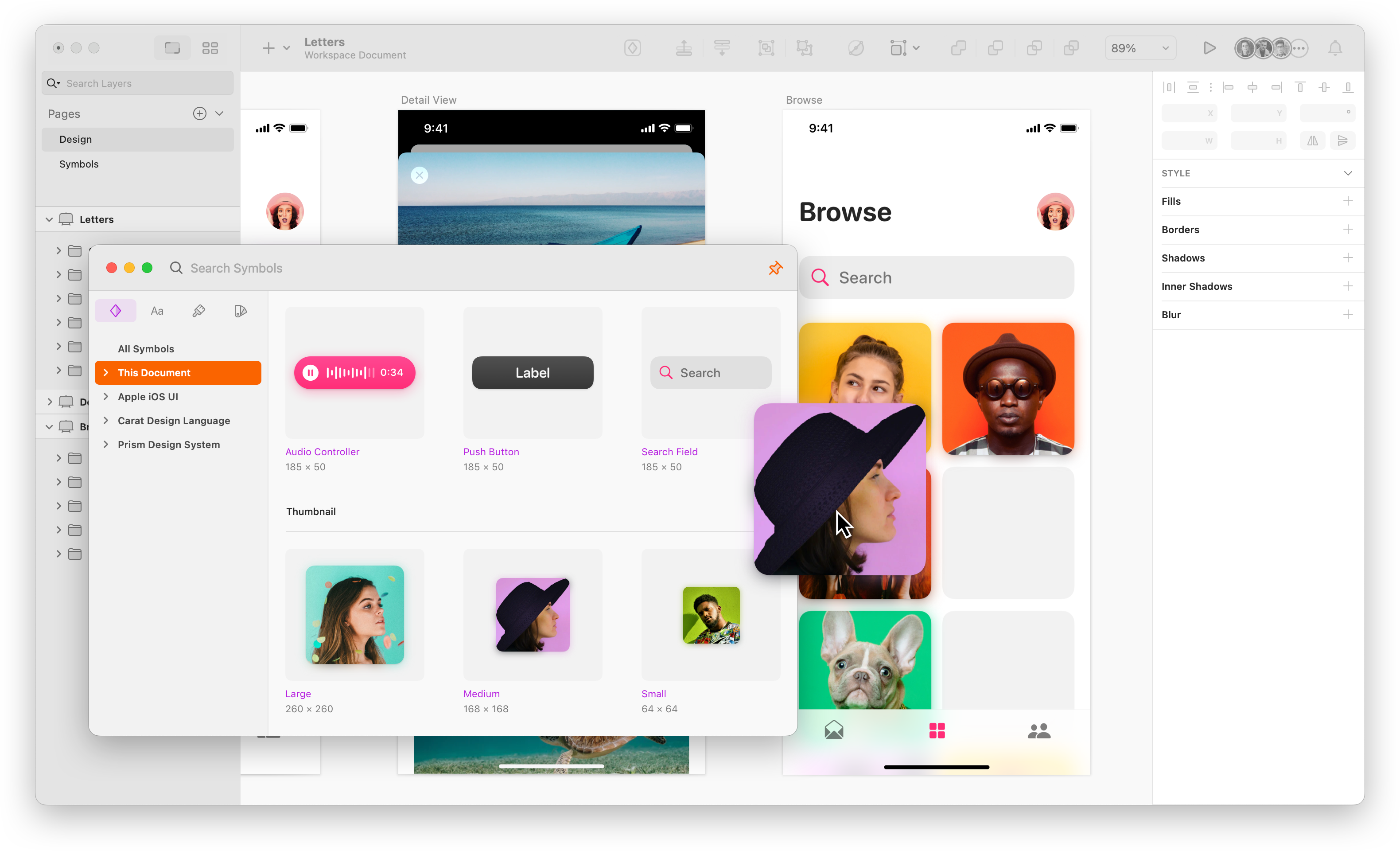
Symbols enable designers to create reusable design elements that can be updated globally across projects.
Symbol Features Include:
- Reusable UI components
- Global style updates
- Nested symbols
- Symbol overrides
- Shared design elements
- Consistent design systems
- Component libraries
- Efficient workflow management
These capabilities improve consistency and reduce repetitive design work.
Design System Management
Sketch helps teams build and maintain scalable design systems for products and brands.
Design System Features Include:
- Shared component libraries
- Design token management
- Global styles
- Reusable assets
- Team libraries
- Consistent UI standards
- Brand asset management
- Centralized design resources
These features help organizations maintain visual consistency across products.
User Interface Design
Sketch is widely recognized as one of the leading UI design software solutions for digital product design.
User Interface Design Features Include:
- Mobile app design
- Web design
- Dashboard design
- SaaS interface design
- Product interface creation
- Responsive design workflows
- Interactive screen design
- UI asset management
These capabilities support the complete interface design process.
User Experience Design
Sketch provides tools that help designers create intuitive user experiences and customer journeys.
User Experience Design Features Include:
- User flow design
- Wireframing tools
- Screen mapping
- Navigation planning
- Journey visualization
- Experience prototyping
- UX documentation
- Interaction planning
These features help teams design products that are easy to use and navigate.
Prototyping Tools
Built-in prototyping functionality allows designers to create interactive experiences without relying on external software.
Prototyping Features Include:
- Clickable prototypes
- Screen linking
- Interactive navigation
- Transition effects
- Prototype previews
- User flow testing
- Interactive presentations
- Design validation
These capabilities help stakeholders visualize final product behavior before development.
Collaborative Design Workflows
Sketch supports collaboration between designers, developers, and stakeholders.
Collaboration Features Include:
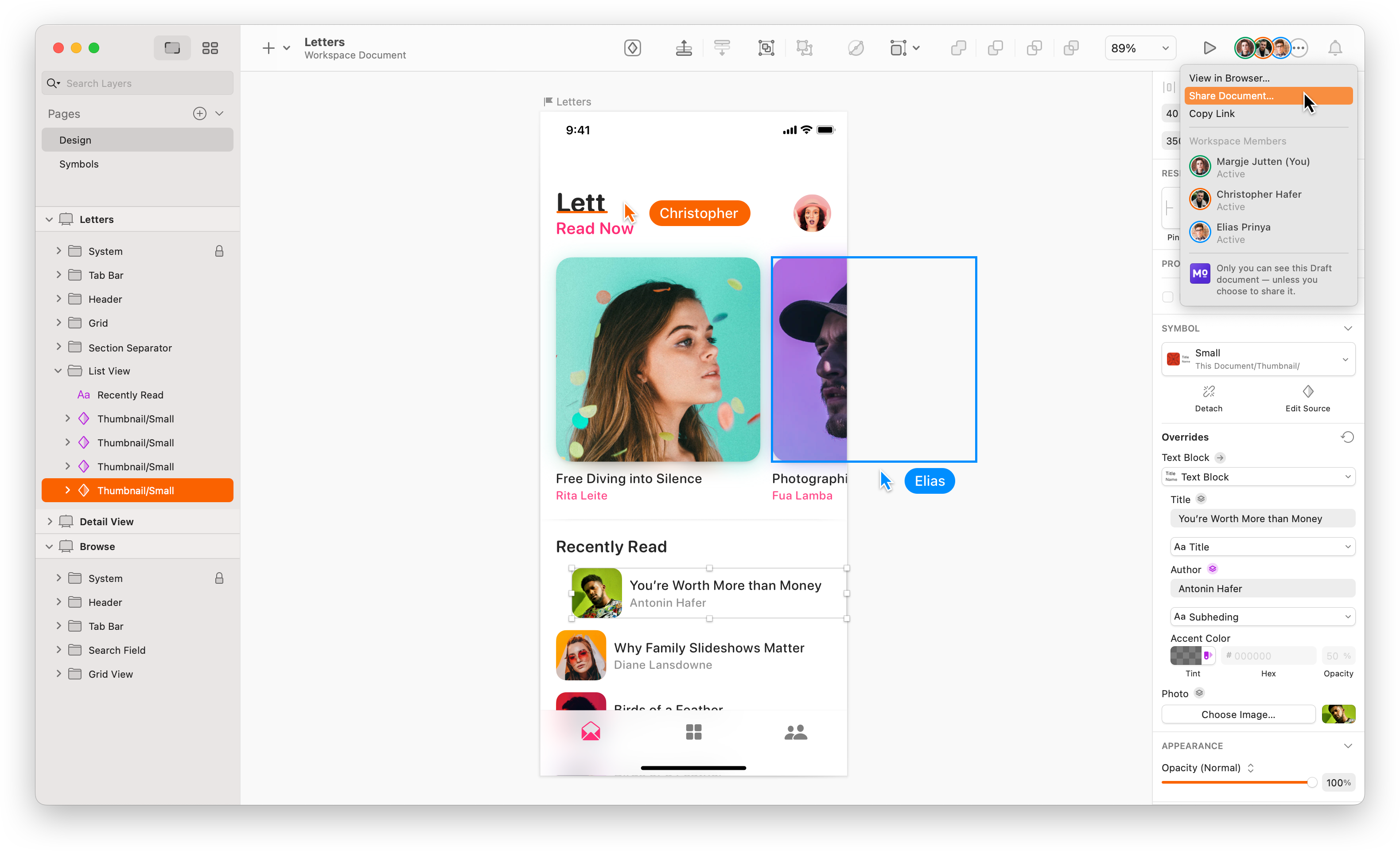
- Shared workspaces
- Team projects
- Cloud collaboration
- Design sharing
- Feedback collection
- Stakeholder reviews
- Version synchronization
- Team communication support
These tools improve collaboration throughout the design process.
Cloud Workspace
Sketch Cloud allows teams to access, review, and share design projects online.
Cloud Workspace Features Include:
- Cloud storage
- Online project access
- Browser-based viewing
- Design sharing
- Secure file management
- Team collaboration
- Project synchronization
- Remote accessibility
These capabilities make it easier for distributed teams to work together.
Developer Handoff
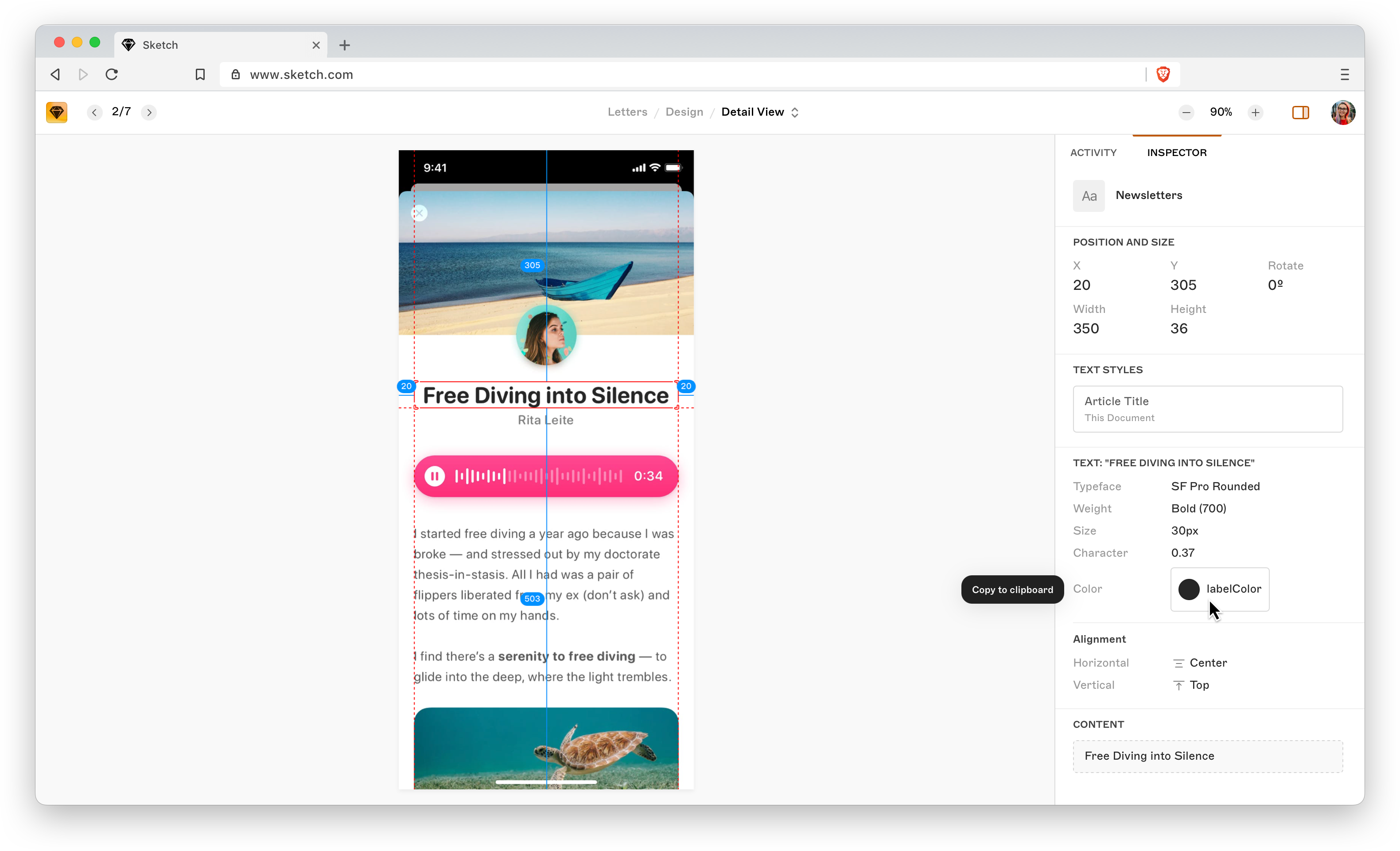
Sketch simplifies communication between designers and developers through dedicated handoff tools.
Developer Handoff Features Include:
- Design specifications
- Asset export
- CSS inspection
- Code snippets
- Measurement tools
- Design documentation
- Developer collaboration
- Resource sharing
These features reduce misunderstandings and improve development efficiency.
Shared Libraries
Shared libraries help teams maintain consistency across multiple projects and products.
Shared Library Features Include:
- Centralized components
- Shared styles
- Team assets
- Global updates
- Brand consistency
- Cross-project synchronization
- Component management
- Asset standardization
These capabilities improve efficiency and support scalable design operations.
Responsive Design Tools
Sketch supports the creation of responsive designs that adapt across different screen sizes and devices.
Responsive Design Features Include:
- Smart layouts
- Auto-resizing elements
- Responsive components
- Device-specific design
- Flexible containers
- Adaptive UI elements
- Layout management
- Cross-device optimization
These tools help designers create consistent experiences across platforms.
Style Management
Style management features help maintain visual consistency throughout design projects.
Style Management Features Include:
- Shared text styles
- Shared layer styles
- Color variables
- Typography management
- Global style updates
- Consistent branding
- Design standardization
- Theme management
These capabilities simplify large-scale design management.
Plugin Ecosystem
Sketch offers an extensive plugin ecosystem that expands platform functionality.
Plugin Features Include:
- Workflow automation
- Design enhancements
- Asset generation
- Content management
- Productivity tools
- Third-party integrations
- Custom functionality
- Extended design capabilities
These plugins allow teams to customize Sketch according to their specific workflows.
Asset Export Tools
Export functionality enables designers to prepare assets for development and deployment.
Asset Export Features Include:
- Multiple export formats
- SVG export
- PNG export
- PDF export
- Batch exporting
- Resolution scaling
- Asset optimization
- Development-ready resources
These capabilities streamline the handoff process and improve workflow efficiency.
Wireframing Capabilities
Sketch can be used to create low-fidelity and high-fidelity wireframes for digital products.
Wireframing Features Include:
- Basic layout creation
- Content structure planning
- User flow mapping
- Low-fidelity mockups
- Interactive wireframes
- Design iteration support
- Screen planning
- Concept validation
These tools help teams define product requirements before full design development.
Typography Controls
Typography plays a critical role in user interface design, and Sketch provides comprehensive text editing tools.
Typography Features Include:
- Font management
- Text styling
- Line spacing controls
- Character spacing adjustments
- Text alignment
- Typography presets
- Shared text styles
- Responsive typography management
These features help create visually appealing and readable digital interfaces.
Version History
Version control helps teams track design changes and restore previous project versions when necessary.
Version History Features Include:
- Design snapshots
- Change tracking
- Project restoration
- Revision history
- Team collaboration tracking
- File recovery
- Design comparison
- Workflow transparency
These capabilities help teams manage design iterations effectively.
Third-Party Integrations
Sketch integrates with a wide range of design, collaboration, and productivity tools.
Integration Features Include:
- Slack integration
- Jira integration
- Zeplin integration
- Abstract integration
- Miro integration
- Notion integration
- Figma workflow support
- Productivity tool connectivity
These integrations help teams create connected design and development workflows.
Mac-Native Performance
Sketch is built specifically for macOS, allowing it to deliver optimized performance and user experience.
Mac-Native Features Include:
- Optimized performance
- Fast rendering
- Native macOS support
- Smooth workflows
- System integration
- Reliable performance
- Enhanced responsiveness
- Efficient resource management
These capabilities provide a seamless design experience for Mac users.
Benefits of Using Sketch Software
Faster Design Workflows
Sketch helps designers create interfaces more efficiently through reusable components, templates, symbols, and automation capabilities.
Improved Collaboration
Shared workspaces and collaborative review features allow teams to work together seamlessly across projects.
Better Design Consistency
Design systems and shared libraries ensure consistent user experiences across websites, applications, and digital products.
Enhanced Productivity
Automation features reduce repetitive tasks and allow designers to focus on creativity and problem-solving.
Streamlined Developer Handoff
Developers gain access to accurate specifications and assets, reducing implementation errors and accelerating development.
Scalable Design Operations
Organizations can maintain large-scale design systems while supporting multiple products and teams.
Integrations of Sketch Software
Figma Integration
Supports design collaboration and workflow flexibility across teams.
Zeplin Integration
Improves design handoff and developer collaboration.
Jira Integration
Connects design workflows with project management processes.
Slack Integration
Facilitates team communication and design feedback.
Notion Integration
Supports documentation and design system management.
Miro Integration
Enables collaborative brainstorming and design workshops.
Abstract Integration
Provides version control and design collaboration capabilities.
Additional Business Integrations
Additional Integrations Include:
- Trello
- Asana
- Monday.com
- Microsoft Teams
- Dropbox
- Google Drive
- Adobe Creative Cloud
- GitHub
- GitLab
- Confluence
- InVision
- Principle
- Framer
- Maze
- UserTesting
- Airtable
- ClickUp
- Lucidchart
- Loom
- Zapier
Pros and Cons of Sketch Software
Pros | Cons |
Purpose-built for UI and UX design workflows | Available only for macOS users |
Clean and intuitive interface with a minimal learning curve | Limited native support for advanced photo editing |
Excellent design system and component management capabilities | Real-time collaboration is less mature than some competitors |
Powerful vector-based design tools for digital products | Requires additional tools for certain advanced prototyping needs |
Extensive plugin ecosystem and third-party integrations | Team collaboration features may require cloud subscriptions |
Strong developer handoff and design inspection tools | Less suitable for print and graphic design projects |
Lightweight performance compared to many design platforms | Some enterprises prefer all-in-one collaborative design platforms |
Who Should Use Sketch Software?
Startups
Sketch is an excellent choice for startups building websites, mobile applications, SaaS platforms, and digital products. Startups often require a cost-effective and efficient UI/UX design software solution that enables rapid product development without unnecessary complexity. Sketch provides intuitive design tools, reusable components, and prototyping capabilities that help startups create professional digital experiences while maintaining design consistency. Its focus on digital product design makes it particularly valuable for technology-driven startups looking to accelerate product launches and improve user experiences.
Small Businesses
Small businesses that invest in website development, mobile applications, customer portals, and digital services can use Sketch to create modern interfaces and maintain professional branding. The platform enables designers and creative teams to develop visually appealing user experiences while improving collaboration with developers and stakeholders. Small organizations benefit from Sketch's simplicity, affordability, and productivity-enhancing workflows.
Mid-Sized Businesses
Growing companies often manage multiple products, brands, and digital experiences simultaneously. Sketch helps mid-sized businesses establish scalable design systems, reusable UI components, and standardized workflows that improve consistency across projects. Teams can collaborate more effectively, accelerate design delivery, and reduce inefficiencies through centralized design management.
Enterprises
Enterprise organizations use Sketch to manage large-scale digital product portfolios, maintain enterprise design systems, and coordinate design efforts across multiple departments and product teams. The platform's shared libraries, design governance capabilities, developer handoff tools, and collaborative workflows help enterprises deliver consistent user experiences while supporting complex product ecosystems.
Sketch Software Use Cases
User Interface Design
Organizations use Sketch to design website interfaces, web applications, mobile applications, dashboards, portals, and digital platforms. Designers can create detailed layouts, user flows, and interface components optimized for modern digital experiences.
User Experience Design
UX professionals leverage Sketch to create customer journeys, wireframes, information architecture, interaction models, and usability-focused designs that improve overall product experiences.
Wireframing
Sketch helps teams create low-fidelity and high-fidelity wireframes that visualize product structures, page layouts, and user flows before development begins.
Interactive Prototyping
Businesses use Sketch to build interactive prototypes that simulate user interactions and navigation paths. These prototypes support usability testing, stakeholder reviews, and product validation activities.
Design System Management
Organizations create centralized design systems containing reusable components, typography guidelines, icons, color schemes, and interface standards. These systems improve scalability and consistency across multiple products.
Mobile App Design
Sketch is widely used for designing iOS applications, Android applications, and cross-platform mobile experiences. Designers can create responsive layouts tailored to various screen sizes and devices.
SaaS Product Design
Software companies use Sketch to develop user-friendly SaaS interfaces, customer portals, analytics dashboards, and enterprise software experiences that support customer engagement and usability.
Developer Handoff
Product teams use Sketch to facilitate seamless collaboration between designers and developers. Accurate specifications, measurements, assets, and design details help reduce implementation errors and improve development efficiency.
Top Sketch Software Alternatives
Figma
Figma is one of the most popular Sketch alternatives and offers cloud-based UI/UX design, prototyping, design systems, and real-time collaboration capabilities. It is widely adopted by distributed design teams and enterprises.
Adobe XD
Adobe XD provides interface design, prototyping, wireframing, and collaboration features that support digital product creation. It integrates well with Adobe Creative Cloud applications.
InVision
InVision offers prototyping, design collaboration, workflow management, and digital product design tools that help teams create and validate user experiences.
Axure RP
Axure RP specializes in advanced wireframing, interactive prototyping, and requirements documentation, making it suitable for complex UX projects and enterprise design initiatives.
Marvel
Marvel provides intuitive design, prototyping, usability testing, and collaboration tools that help teams create user-centered digital experiences.
Sketch Software vs Competitors
Feature | Sketch | Figma | Adobe XD | Framer |
UI Design | ✓ | ✓ | ✓ | ✓ |
UX Design | ✓ | ✓ | ✓ | ✓ |
Interactive Prototyping | ✓ | ✓ | ✓ | ✓ |
Design Systems | ✓ | ✓ | ✓ | ✓ |
Real-Time Collaboration | Limited | ✓ | ✓ | ✓ |
Developer Handoff | ✓ | ✓ | ✓ | ✓ |
Cloud-Based Access | Partial | ✓ | ✓ | ✓ |
Offline Design | ✓ | Limited | ✓ | Limited |
Plugin Ecosystem | ✓ | ✓ | Limited | Growing |
Best For | UI/UX Product Design | Collaborative Teams | Adobe Users | Interactive Experiences |
Why Choose Sketch Software?
Sketch has established itself as one of the most respected UI/UX design software platforms because of its dedicated focus on digital product design. Unlike many general-purpose graphic design tools, Sketch is specifically built to help designers create user interfaces, digital experiences, design systems, and prototypes more efficiently.
One of the primary reasons organizations choose Sketch is its streamlined workflow. The platform eliminates unnecessary complexity and provides tools specifically tailored for modern web design, mobile app design, SaaS product design, and user experience design. Designers can quickly create reusable components, manage design systems, and maintain consistency across projects without sacrificing creativity or flexibility.
Sketch is also highly valued for its scalability. Whether a company is designing a single website or managing multiple enterprise products, the platform's shared libraries, symbols, and design system capabilities help maintain consistency and improve productivity. Teams can collaborate effectively while ensuring brand standards and interface guidelines remain aligned.
Another significant advantage is Sketch's extensive ecosystem. Through integrations, plugins, templates, UI kits, and community resources, organizations can customize workflows to meet unique project requirements. These capabilities make Sketch adaptable to a wide variety of design environments and team structures.
For businesses seeking professional UI/UX design software that combines efficiency, scalability, usability, and design system management, Sketch remains one of the strongest solutions available in the digital product design market.
Frequently Asked Questions
What is Sketch Software?
Sketch is a vector-based UI/UX design software platform created specifically for designing digital products such as websites, mobile applications, SaaS platforms, dashboards, and user interfaces. The software provides tools for wireframing, prototyping, design systems, collaboration, and developer handoff, helping organizations create high-quality digital experiences while maintaining efficient design workflows.
How does Sketch Software help design teams?
Sketch helps design teams streamline product design workflows through reusable components, shared libraries, design systems, prototyping capabilities, and collaboration tools. Teams can create consistent user interfaces, accelerate design production, simplify developer handoff, and maintain centralized design standards across multiple projects and products.
Is Sketch suitable for UI and UX design?
Yes, Sketch is specifically designed for UI design and UX design workflows. The platform includes features for creating wireframes, user interfaces, prototypes, interaction models, design systems, and digital experiences. Its specialized focus on digital product design makes it one of the most popular solutions among UI designers, UX designers, and product design teams.
What industries commonly use Sketch?
Sketch is widely used across technology companies, SaaS businesses, startups, design agencies, eCommerce organizations, financial services firms, healthcare providers, education platforms, media companies, and enterprise software vendors. Any organization developing digital products can benefit from Sketch's design capabilities.
Does Sketch offer integrations with other business tools?
Yes, Sketch integrates with a variety of business and design applications including Figma, Zeplin, Jira, Slack, Notion, Miro, Abstract, Trello, Asana, Monday.com, Microsoft Teams, GitHub, GitLab, Confluence, InVision, Framer, UserTesting, and many other productivity and collaboration platforms.
What are the key benefits of using Sketch Software?
The key benefits of using Sketch include improved design efficiency, scalable design systems, enhanced collaboration, faster prototyping, better developer handoff, reusable design components, streamlined workflows, and consistent user experience design. These advantages help organizations reduce design bottlenecks and improve product development outcomes.
What are the best alternatives to Sketch Software?
Several strong alternatives Sketch alternatives exist depending on business requirements. Popular alternatives include Figma for cloud-based collaboration, Adobe XD for Creative Cloud integration, InVision for prototyping and collaboration, Axure RP for complex UX workflows, and Marvel for usability-focused design projects. Businesses should compare features, collaboration capabilities, integrations, pricing, and scalability when evaluating alternatives.
Where can I compare Sketch Software alternatives and competitors?
Businesses looking to compare Sketch Software alternatives can use software discovery and comparison platforms such as Krowdbase to evaluate design software solutions side by side. Comparing UI/UX design features, prototyping capabilities, collaboration tools, integrations, pricing, customer reviews, use cases, and scalability helps organizations identify the most suitable design platform for their requirements. Reviewing Sketch alongside Figma, Adobe XD, Framer, InVision, Axure RP, and Marvel can support informed software selection decisions.
Conclusion
Sketch has become one of the most influential UI/UX design software platforms in the digital product design industry. Its specialized focus on interface design, user experience creation, design systems, wireframing, and prototyping has made it a trusted solution for designers, product teams, startups, agencies, and enterprises worldwide.
The platform offers a comprehensive set of capabilities that support every stage of the design process, including vector editing, reusable components, design systems management, collaborative workflows, prototyping, developer handoff, and cloud-based project sharing. These features help organizations improve efficiency, maintain consistency, and accelerate product development initiatives.
Sketch is particularly valuable for teams focused on creating websites, mobile applications, SaaS platforms, dashboards, and digital experiences that require scalable design operations and strong collaboration between designers and developers. Its intuitive interface and extensive ecosystem make it accessible to both small teams and large enterprises.
While organizations should evaluate alternatives such as Figma, Adobe XD, Framer, InVision, Axure RP, and Marvel based on their specific needs, Sketch continues to be a leading UI/UX design software solution for businesses seeking professional digital product design capabilities. Its commitment to user interface design excellence and design system scalability ensures it remains a preferred platform for modern product development teams.
Screenshots
Video
Features
FAQ
The official website of Sketch is https://www.sketch.com/
Sketch belongs to the App Design, Vector Graphics, Graphic Design category.
Sketch offers features such as Customizable Templates, Feature Library, Prototype Creation, Preview Functionality.
Sketch is used in industries such as Information Technology & Services, Design, Advertising & Marketing, E-commerce, Media, Startups.
Sketch is built for Small Business, Mid Size Business, Enterprise
Sketch supports English, Spanish, French
Sketch supports Mac, Web-based, iPhone/iPad, Windows devices.
The starting price of Sketch is USD 13/per month.
Yes, Sketch offers a free trial.
Sketch was founded in 2008.
Sketch has approximately 51-100 employees.
Sketch is located in Netherlands.
Sketch was founded by Sketch B.V..
Need help choosing this software?
Have questions about features, pricing, integrations, or implementation? Send an enquiry to the vendor and get the information you need.
Pricing
Starting at:
$13/per month
Free Trial Available
Vendor Details
- Vendor
- Sketch B.V.
- Founded
- 2008
- Locations
- Netherlands
- Company Size
- 51-100
- Social Media


