
Wrike
Wrike is a software solution for account-based marketing with campaign templates, Gantt charts, reporting features, and more.
What is Wrike?
Wrike is a powerful work management and project management software platform designed to help businesses plan, organize, collaborate, and execute projects more efficiently. Used by organizations ranging from small businesses to global enterprises, Wrike provides a centralized workspace where teams can manage tasks, track project progress, automate workflows, and improve cross-functional collaboration.
As businesses handle increasingly complex projects involving multiple teams, departments, and stakeholders, the need for structured project management software continues to grow. Wrike addresses these challenges by offering comprehensive tools for task management, resource planning, project tracking, workflow automation, reporting, and team collaboration. The platform enables organizations to improve visibility, streamline communication, and ensure projects remain on schedule.
One of Wrike's key strengths is its flexibility. Teams can customize workflows, dashboards, project views, and reporting structures to match their unique business processes. Whether managing marketing campaigns, software development projects, product launches, creative workflows, professional services, or enterprise operations, Wrike provides the tools necessary to improve productivity and project outcomes.
With its combination of project planning, collaboration, automation, and reporting capabilities, Wrike has become a trusted solution for businesses seeking to improve operational efficiency and project delivery across their organization.
About Wrike Software
Wrike is a cloud-based project management software and work management platform that helps organizations coordinate tasks, manage projects, collaborate effectively, and optimize workflows. The platform is designed to provide complete visibility into project activities while helping teams work more efficiently through automation, centralized communication, and real-time reporting.
Businesses often struggle with disconnected tools, scattered project information, and communication gaps that impact productivity and project success. Wrike solves these challenges by bringing projects, tasks, documents, approvals, resources, and team collaboration into a single platform.
The software supports a wide variety of industries including marketing, technology, professional services, construction, manufacturing, education, healthcare, and financial services. Its scalability makes it suitable for both growing businesses and large enterprises managing complex project portfolios.
Wrike's focus on visibility, collaboration, and workflow optimization enables organizations to improve project execution, increase accountability, reduce bottlenecks, and achieve strategic business goals more effectively.
Key Objectives of Wrike Software
Improve Project Visibility
Wrike provides organizations with complete visibility into project progress, deadlines, workloads, and team activities, enabling better decision-making and project control.
Streamline Team Collaboration
The platform helps teams collaborate more effectively by centralizing communication, file sharing, approvals, and project discussions within a unified workspace.
Optimize Resource Management
Wrike allows businesses to allocate resources efficiently, balance workloads, and ensure teams have the capacity to complete projects successfully.
Automate Repetitive Work
Workflow automation reduces manual effort, eliminates repetitive administrative tasks, and improves operational efficiency across departments.
Enhance Productivity
By organizing tasks, improving communication, and providing real-time project insights, Wrike helps teams complete work faster and more efficiently.
Support Business Growth
Wrike provides scalable project management capabilities that support organizational growth while maintaining operational control and project consistency.
Wrike Software Categories
Primary Category
Wrike primarily belongs to the Project Management Software category. The platform helps businesses plan projects, organize tasks, manage resources, track progress, and collaborate effectively throughout the project lifecycle. Its project management capabilities enable organizations to improve execution, visibility, and productivity across teams.
Primary Category:
Secondary Categories
Wrike extends beyond traditional project management by offering work management, resource planning, collaboration, workflow automation, and portfolio management capabilities. These additional functionalities help businesses improve efficiency and streamline operations across departments.
Secondary Categories:
- Account Based Marketing Software
- Creative Management Software
- Dashboard Software
- Demand Planning Software
- Display Advertising Software
- EAM Software
- Employee Communication Tools Software
- Employee Scheduling Software
- Enterprise Architecture Software
- Enterprise Content Management Software
- Enterprise Resource Planning Software
Key Features of Wrike Software
Project Management
Wrike provides comprehensive project management capabilities that help organizations plan, organize, execute, and monitor projects from a centralized workspace.
Project Management Features Include:
- Project planning
- Task creation and assignment
- Project scheduling
- Milestone tracking
- Project templates
- Goal management
- Progress monitoring
- Project prioritization
These capabilities help teams maintain visibility across projects while improving execution efficiency.
Task Management
Task management is one of Wrike's core strengths, allowing teams to organize work and ensure accountability across departments.
Task Management Features Include:
- Task creation
- Task assignment
- Due date management
- Task prioritization
- Subtasks
- Recurring tasks
- Task dependencies
- Task status tracking
These tools help teams manage workloads effectively and complete projects on time.
Workflow Automation
Wrike includes workflow automation capabilities that reduce manual effort and improve operational efficiency.
Workflow Automation Features Include:
- Automated task assignments
- Status updates
- Custom automation rules
- Approval workflows
- Notifications and alerts
- Recurring workflow automation
- Business process automation
- Trigger-based actions
These features help organizations streamline repetitive processes and improve productivity.
Gantt Charts
Wrike offers interactive Gantt charts that provide a visual representation of project timelines and dependencies.
Gantt Chart Features Include:
- Timeline visualization
- Dependency mapping
- Milestone tracking
- Critical path management
- Schedule adjustments
- Resource planning
- Deadline management
- Real-time updates
These capabilities help project managers maintain control over complex project schedules.
Resource Management
Resource management tools help organizations optimize workforce allocation and improve team utilization.
Resource Management Features Include:
- Workload management
- Resource allocation
- Capacity planning
- Team utilization tracking
- Availability monitoring
- Resource forecasting
- Skills-based assignment
- Staffing visibility
These tools help businesses maximize productivity while preventing resource bottlenecks.
Team Collaboration
Wrike is designed to improve collaboration across teams, departments, and external stakeholders.
Team Collaboration Features Include:
- Real-time collaboration
- Team discussions
- Commenting tools
- Shared workspaces
- File sharing
- Mention functionality
- Activity streams
- Collaborative project updates
These capabilities improve communication and keep everyone aligned on project objectives.
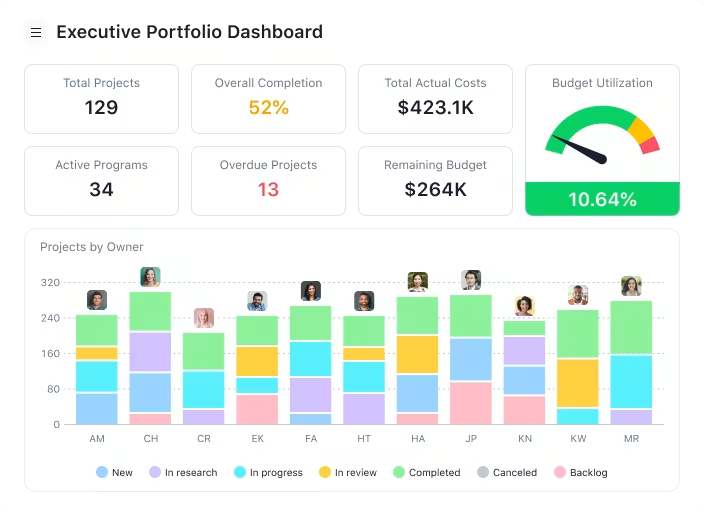
Custom Dashboards
Wrike provides customizable dashboards that allow users to track important metrics and project information.
Custom Dashboard Features Include:
- Personalized dashboards
- Project performance tracking
- Task monitoring
- Team productivity insights
- Workload visibility
- KPI tracking
- Real-time reporting
- Custom widgets
These dashboards help teams make informed decisions based on real-time project data.
Reporting and Analytics
Reporting and analytics tools provide valuable insights into project performance, team productivity, and business outcomes.
Reporting and Analytics Features Include:
- Custom reports
- Project performance analysis
- Team productivity reporting
- Resource utilization reports
- Workload analysis
- Executive dashboards
- Data visualization
- Trend analysis
These capabilities help organizations optimize processes and improve project outcomes.
Time Tracking
Wrike includes built-in time tracking functionality that helps teams monitor project effort and productivity.
Time Tracking Features Include:
- Time logging
- Billable hour tracking
- Non-billable hour tracking
- Timesheets
- Productivity monitoring
- Resource analysis
- Work hour reporting
- Project cost visibility
These features help organizations improve project planning and budgeting accuracy.
Request Forms
Request forms allow businesses to standardize project intake and streamline work requests.
Request Form Features Include:
- Custom request forms
- Dynamic forms
- Automated routing
- Approval workflows
- Request tracking
- Department-specific forms
- Conditional logic
- Workflow integration
These tools simplify project initiation and reduce administrative effort.
Document Management
Wrike helps teams organize and manage project-related documents within a centralized environment.
Document Management Features Include:
- File storage
- Version control
- Document sharing
- Secure file access
- Content organization
- File approvals
- Attachment management
- Document collaboration
These capabilities ensure important project information remains accessible and organized.
Approval Management
Approval workflows help organizations manage reviews and decision-making processes more efficiently.
Approval Management Features Include:
- Review workflows
- Multi-stage approvals
- Automated approvals
- Stakeholder reviews
- Approval tracking
- Feedback collection
- Version comparison
- Audit history
These features improve governance and ensure accountability across projects.
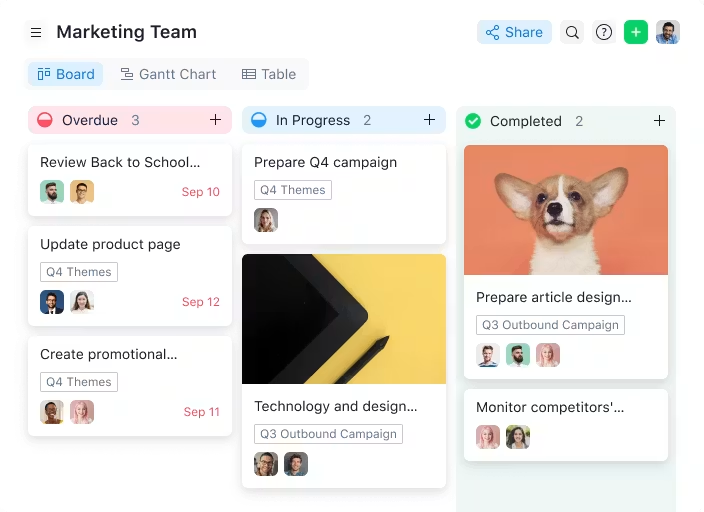
Kanban Boards
Wrike supports visual task management through Kanban boards that help teams track work progress.
Kanban Board Features Include:
- Drag-and-drop boards
- Workflow visualization
- Task categorization
- Status tracking
- Team collaboration
- Priority management
- Work-in-progress monitoring
- Agile workflow support
These tools help teams manage projects using agile methodologies.
Agile Project Management
Organizations using agile frameworks can leverage Wrike's agile project management capabilities.
Agile Project Management Features Include:
- Sprint planning
- Backlog management
- Agile workflows
- Scrum support
- Kanban methodologies
- Sprint tracking
- Agile reporting
- Team collaboration tools
These capabilities help teams deliver projects more efficiently and adapt to changing requirements.
Proofing and Approval Tools
Creative and marketing teams can streamline content review processes using Wrike's proofing capabilities.
Proofing Features Include:
- Digital proofing
- Annotation tools
- Content review workflows
- Stakeholder feedback
- Markup tools
- Approval tracking
- Asset collaboration
- Creative workflow management
These tools reduce review cycles and improve content production efficiency.
Workload Management
Wrike provides workload management functionality that helps leaders balance responsibilities across teams.
Workload Management Features Include:
- Team workload visibility
- Capacity planning
- Resource balancing
- Availability tracking
- Assignment optimization
- Burnout prevention
- Workforce forecasting
- Resource scheduling
These features support effective resource planning and team productivity.
Goal and OKR Management
Wrike enables organizations to align projects with strategic objectives through goal management tools.
Goal Management Features Include:
- Objective tracking
- Key result monitoring
- Strategic planning
- Goal alignment
- Performance measurement
- Progress visibility
- Team accountability
- Business objective tracking
These capabilities help organizations connect daily work with long-term business goals.
Mobile Accessibility
Wrike provides mobile applications that allow users to manage projects and collaborate from anywhere.
Mobile Accessibility Features Include:
- Mobile task management
- Project tracking
- Real-time notifications
- File access
- Team collaboration
- Time tracking
- Dashboard access
- Work updates
These features support remote work and improve productivity outside the office.
Integration Ecosystem
Wrike integrates with a wide range of business applications to create a connected work management environment.
Integration Features Include:
- Microsoft Teams integration
- Slack integration
- Google Workspace integration
- Microsoft 365 integration
- Salesforce integration
- Adobe Creative Cloud integration
- Dropbox integration
- Jira integration
- Zoom integration
- API access
These integrations help businesses eliminate data silos and improve workflow efficiency.
Enterprise Security
Wrike offers enterprise-grade security features that help organizations protect sensitive business information.
Enterprise Security Features Include:
- Role-based permissions
- User access controls
- Single Sign-On (SSO)
- Two-factor authentication
- Data encryption
- Audit logs
- Compliance controls
- Secure cloud infrastructure
These capabilities help businesses maintain security, compliance, and data protection standards.
Benefits of Using Wrike Software
Improved Project Visibility
Businesses gain complete insight into project status, deadlines, risks, and team performance.
Enhanced Team Collaboration
Centralized communication improves coordination and reduces information silos.
Better Resource Utilization
Workload management tools help organizations allocate resources efficiently.
Increased Productivity
Automation and streamlined workflows reduce administrative effort and improve output.
Faster Project Delivery
Structured project management processes help teams complete work on time.
Greater Accountability
Task ownership, progress tracking, and reporting features improve accountability across teams.
Integrations of Wrike Software
Microsoft Teams Integration
Enables collaboration and project updates directly within Microsoft Teams.
Slack Integration
Supports team communication and project coordination through Slack channels.
Google Workspace Integration
Connects Gmail, Google Drive, and Google Calendar with project workflows.
Microsoft 365 Integration
Improves productivity by integrating Outlook, Excel, Word, and other Microsoft applications.
Salesforce Integration
Synchronizes project activities with customer and sales information.
Adobe Creative Cloud Integration
Supports creative teams by connecting design workflows and project management activities.
Zoom Integration
Facilitates virtual meetings and project discussions within the platform.
Additional Business Integrations
Additional Integrations Include:
- Jira
- HubSpot
- Dropbox
- Box
- Tableau
- Power BI
- QuickBooks
- DocuSign
- GitHub
- GitLab
- Zendesk
- ServiceNow
- Marketo
- Mailchimp
- SharePoint
- OneDrive
- SAP
- Oracle
- Calendly
- Miro
Pros and Cons of Wrike Software
Pros | Cons |
Comprehensive project management and work management capabilities | Initial setup can be complex for new users |
Highly customizable workflows and dashboards | Advanced features may require higher-tier plans |
Strong collaboration and communication tools | Learning curve for teams unfamiliar with project management software |
Excellent reporting and analytics functionality | Mobile app functionality is less robust than desktop experience |
Powerful resource and workload management tools | Customization options may feel overwhelming for smaller teams |
Supports both simple and complex project environments | Pricing can become expensive for large organizations |
Extensive third-party integration ecosystem | Some advanced reporting features require additional configuration |
Who Should Use Wrike Software?
Startups
Wrike is a valuable project management software solution for startups that need a structured way to manage projects, coordinate teams, and improve productivity. As startups grow, project complexity often increases, making visibility and collaboration essential. Wrike helps startup teams organize tasks, monitor deadlines, automate workflows, and maintain alignment across departments while supporting rapid business growth.
Small Businesses
Small businesses can use Wrike to centralize project planning, task management, communication, and reporting. The platform helps business owners improve operational efficiency, track project progress, allocate resources effectively, and ensure work is completed on time. Its flexible workflows allow businesses to adapt the software to their specific operational requirements.
Mid-Sized Businesses
Mid-sized organizations often manage multiple projects across departments. Wrike provides visibility into workloads, timelines, resources, and project performance, helping businesses improve coordination and execution. Teams can collaborate more effectively while maintaining complete control over project delivery and resource allocation.
Enterprises
Large enterprises benefit from Wrike's advanced project portfolio management, resource planning, workflow automation, reporting, and collaboration capabilities. Enterprise organizations can manage complex initiatives across multiple departments, business units, and geographic locations while maintaining strategic alignment and operational transparency.
Wrike Software Use Cases
Project Planning and Execution
Organizations use Wrike to plan projects, define timelines, assign responsibilities, track milestones, and manage deliverables throughout the project lifecycle.
Marketing Campaign Management
Marketing teams utilize Wrike to coordinate campaigns, manage content production, track approvals, organize creative assets, and monitor campaign progress.
Software Development Management
Development teams use Wrike to manage product roadmaps, development cycles, sprint planning, bug tracking, and cross-functional collaboration.
Resource Planning
Businesses leverage resource management capabilities to balance workloads, allocate team members effectively, and optimize project staffing.
Creative Workflow Management
Creative teams use Wrike to manage design requests, approvals, revisions, asset management, and content production processes.
Professional Services Management
Consulting firms and service providers utilize Wrike to manage client projects, track billable work, allocate resources, and improve service delivery.
Portfolio Management
Organizations manage multiple projects simultaneously through centralized portfolio management tools that provide strategic visibility and prioritization capabilities.
Business Process Automation
Teams automate repetitive administrative tasks, approvals, notifications, and workflow processes to improve operational efficiency.
Top Wrike Software Alternatives
Asana
Asana is a popular project management software platform that helps teams organize work, manage tasks, collaborate efficiently, and track project progress through a user-friendly interface.
Monday.com
Monday.com provides customizable work management software that enables businesses to manage projects, workflows, collaboration, and operational processes across departments.
ClickUp
ClickUp combines project management, task management, documentation, collaboration, and productivity tools within a highly customizable platform suitable for businesses of all sizes.
Smartsheet
Smartsheet offers spreadsheet-style project management and work management functionality designed for project planning, collaboration, resource management, and reporting.
Jira
Jira is widely used by software development teams for agile project management, sprint planning, issue tracking, and product development workflows.
Teamwork
Teamwork provides project management, resource planning, collaboration, and client management tools designed primarily for agencies and service-based businesses.
Wrike Software vs Competitors
Feature | Wrike | Asana | Monday.com | ClickUp |
Project Management | ✓ | ✓ | ✓ | ✓ |
Task Management | ✓ | ✓ | ✓ | ✓ |
Resource Management | ✓ | Limited | ✓ | ✓ |
Workflow Automation | ✓ | ✓ | ✓ | ✓ |
Portfolio Management | ✓ | Limited | Limited | ✓ |
Gantt Charts | ✓ | ✓ | ✓ | ✓ |
Reporting & Analytics | ✓ | ✓ | ✓ | ✓ |
Time Tracking | ✓ | Limited | Limited | ✓ |
Collaboration Tools | ✓ | ✓ | ✓ | ✓ |
Best For | Enterprise & Cross-Functional Teams | General Project Management | Workflow Customization | All-in-One Productivity |
Why Choose Wrike Software?
Wrike stands out as one of the most comprehensive project management software and work management platforms available today. Designed to support organizations of all sizes, Wrike combines project planning, task management, resource allocation, collaboration, workflow automation, reporting, and portfolio management within a single platform.
One of the primary reasons businesses choose Wrike is its flexibility. Organizations can customize workflows, dashboards, project structures, reports, and automation rules to match their unique business processes. This adaptability allows teams from different departments to use the same platform while maintaining workflows tailored to their specific requirements.
Wrike also excels in visibility and collaboration. Project managers gain real-time insight into project status, resource utilization, deadlines, risks, and team performance. At the same time, team members benefit from centralized communication, document sharing, approvals, and collaboration tools that improve efficiency and reduce project delays.
The platform's advanced reporting and analytics capabilities further support informed decision-making by providing actionable insights into project performance, productivity, resource allocation, and operational effectiveness. Businesses can identify bottlenecks, optimize workflows, and improve project outcomes using data-driven strategies.
For organizations seeking scalable project management software capable of supporting both simple and highly complex project environments, Wrike offers a powerful combination of flexibility, visibility, automation, and collaboration.
Frequently Asked Questions
What is Wrike Software?
Wrike is a cloud-based project management software and work management platform that helps businesses plan projects, manage tasks, collaborate with teams, allocate resources, automate workflows, and track performance. The platform provides a centralized workspace where organizations can manage projects efficiently while improving visibility, accountability, and productivity across departments.
How does Wrike improve project management?
Wrike improves project management by providing tools for planning, scheduling, task tracking, resource allocation, collaboration, reporting, and workflow automation. Teams can monitor project progress in real time, identify potential risks, manage dependencies, and ensure deadlines are met. These capabilities help businesses improve project execution and operational efficiency.
Is Wrike suitable for small businesses?
Yes, Wrike is suitable for small businesses seeking a structured project management software solution. Small teams can use the platform to organize projects, assign tasks, track progress, improve collaboration, and automate workflows. Its scalability also ensures businesses can continue using the platform as operational requirements evolve.
What industries use Wrike Software?
Wrike is widely used across industries including marketing, technology, software development, healthcare, education, financial services, construction, manufacturing, consulting, professional services, and creative agencies. Organizations that manage projects, resources, and collaborative workflows often benefit significantly from Wrike's capabilities.
Does Wrike integrate with other business applications?
Yes, Wrike integrates with a wide range of business tools including Microsoft Teams, Slack, Google Workspace, Microsoft 365, Salesforce, Adobe Creative Cloud, Zoom, Jira, Dropbox, HubSpot, Tableau, Power BI, GitHub, Zendesk, DocuSign, SharePoint, SAP, Oracle, and many others. These integrations help organizations streamline workflows and create a connected business ecosystem.
What are the key benefits of using Wrike Software?
The primary benefits of using Wrike include improved project visibility, enhanced team collaboration, optimized resource management, increased productivity, workflow automation, faster project delivery, stronger accountability, and better reporting capabilities. These benefits help businesses execute projects more effectively and improve overall operational performance.
What are the best alternatives to Wrike Software?
Popular Wrike alternatives include Asana, Monday.com, ClickUp, Smartsheet, Jira, and Teamwork. Each project management software platform offers different strengths related to workflow automation, resource planning, customization, reporting, collaboration, and scalability. Businesses should evaluate their requirements and compare solutions before selecting a platform.
Where can I compare Wrike alternatives and competitors?
Businesses looking to compare Wrike alternatives can use software discovery and comparison platforms such as Krowdbase to evaluate project management software solutions side by side. Comparing features, integrations, pricing, use cases, customer reviews, reporting capabilities, workflow automation options, and pros and cons helps organizations identify the best project management software for their specific needs. Reviewing Wrike alongside competitors such as Asana, Monday.com, ClickUp, Smartsheet, Jira, and Teamwork can support more informed purchasing decisions.
Conclusion
Wrike has established itself as a leading project management software and work management platform that helps businesses improve project execution, team collaboration, workflow efficiency, and resource utilization. By combining project planning, task management, resource allocation, workflow automation, reporting, portfolio management, and collaboration capabilities into a single solution, Wrike enables organizations to manage projects more effectively and achieve strategic goals.
The platform's flexibility allows teams across different departments and industries to customize workflows according to their operational needs. Whether managing marketing campaigns, software development projects, client engagements, enterprise initiatives, or cross-functional business processes, Wrike provides the visibility and control necessary for successful execution.
Wrike is particularly valuable for businesses seeking scalability, customization, automation, and advanced reporting capabilities. Its extensive integration ecosystem further enhances productivity by connecting project management activities with communication, productivity, analytics, and business applications.
While businesses should evaluate alternatives such as Asana, Monday.com, ClickUp, Smartsheet, Jira, and Teamwork based on their specific requirements, Wrike remains one of the most comprehensive project management software solutions available. Its ability to support teams of all sizes while improving collaboration, efficiency, and project outcomes makes it a strong choice for organizations focused on operational excellence and long-term growth.
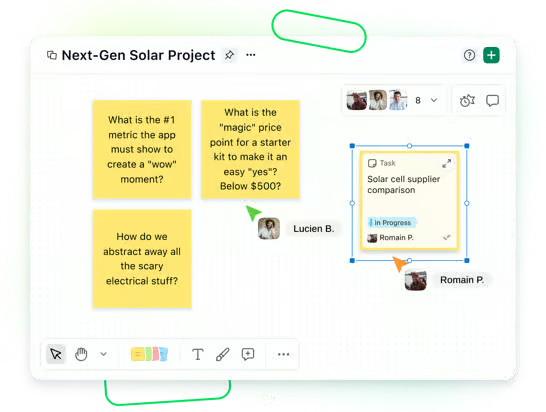
Screenshots
Video
Categories
Features
FAQ
The official website of Wrike is https://www.wrike.com/
Wrike belongs to the Account Based Marketing, Creative Management, Dashboard, Demand Planning, Display Advertising, EAM, Employee Communication Tools, Employee Scheduling, Enterprise Architecture, Enterprise Content Management, Enterprise Resource Planning, Entity Management, Exam, Event Marketing, Financial Management, Fixed Asset Management, Game Development, Gantt Chart, IT Project Management, IT, IWMS, Idea Management, OKR, Online Proofing, Product Lifecycle Management, Product Roadmap, Production Scheduling, Project Portfolio Management, Punch List, Real Estate Agency, Remote Monitoring and Management, Requirements Management, Scrum, Social Media Analytics Tools, Spend Management, Time and Expense, Work Order, Advertising Agency, Agile Project Management, All-in-One Marketing Platform, Application Lifecycle Management, Board Management, Brand Management, Bug Tracking, Business Management, Business Performance Management, Business Plan, Business Process Management, Calendar, Campaign Management, Change Management, Cloud Communication Platform, Collaboration, Construction Management, Construction Scheduling, Contact Management, Content Management, Content Marketing, Digital Workplace, Document Management, Event Management, File Sharing, Forms Automation, Human Resources, IT Management, Issue Tracking, Kanban Tools, Legal Calendar, Legal Case Management, Log Management, MRM, Marketing Analytics, Marketing Attribution, Marketing Automation, Marketing Planning, Nonprofit Project Management, Onboarding, Performance Management System, Product Management, Productivity, Professional Services Automation, Project Management, Project Planning, Project Tracking, Remote Work, Reporting, Resource Management, Risk Management, Scheduling, Strategic Planning, Task Management, Team Communication, Team Management, Time Clock, Time Tracking, Workflow Management, Workforce Management category.
Wrike offers features such as Commenting/Notes, Task Progress Tracking, Task Scheduling, Functions/Calculations, KPI Monitoring, Capacity Planning, Historical Reporting, Strategic Planning, Cost Tracking, Activity/News Feed, Chat/Messaging, File Sharing, Knowledge Management, Schedule Distribution, Change Management, Diagramming, For IT Project Management, Process Modeling & Designing, Requirements Management, Integrated Business Operations, Ownership Tracking, Exhibit/Vendor Management, Budgeting/Forecasting, Financial Reporting, In-Game Analytics, Dependency Tracking, Milestone Tracking, Prioritization, Project Planning, Gantt/Timeline View, Status Tracking, Ticket Management, Ideation, Markup Tools, Lifecycle Management, Idea Management, Assignment Management, Issue Tracking, Backlog Management, Release Planning, Roadmapping, Sprint Planning, Approval Workflow, Performance Metrics, Kanban Board, Retrospectives Management, Team Management, Test Case Tracking, For Nonprofits, Meeting Notes, Brand Guidelines, Real-Time Notifications, Business Process Automation, Calendar/Reminder System, Event Management, Campaign Planning, Multi-Campaign, Change Tracking, Release Management, Training Management, Budget Tracking, Change Order Management, Job Scheduling, Project Scheduling, Interaction Tracking, Time & Attendance, Recurring Issues, Multi-board, Staff Calendar, Activity Planning, Brand Management, Digital Asset Management, Expense Management, Marketing Calendar, Media Planning, Ongoing Performance Tracking, Product Roadmapping, Project Planning/Scheduling, Reporting/Project Tracking, Project Time Tracking, Scheduled/Automated Reports, Internal Controls Management, Real-time Scheduling, Task Editing, Overtime Calculation, Billable & Non-Billable Hours, Online Time Tracking, Workflow Configuration.
Wrike is used in industries such as Information Technology & Services, Manufacturing, Education Management.
Wrike is built for Small Business, Mid Size Business, Enterprise
Wrike supports English, Spanish, Portuguese, German, Italian, Japanese
Wrike supports Android, iPhone/iPad, Web-based, Windows devices.
The starting price of Wrike is USD 10/per month.
Yes, Wrike offers a free trial.
Wrike was founded in 2006.
Wrike has approximately 1000+ employees.
Wrike is located in United States.
Wrike was founded by Wrike.
Need help choosing this software?
Have questions about features, pricing, integrations, or implementation? Send an enquiry to the vendor and get the information you need.
Pricing
Starting at:
$10/per month
Free Trial Available
Vendor Details
- Vendor
- Wrike
- Founded
- 2006
- Locations
- United States
- Company Size
- 1000+
- Social Media


