
Slack
Slack is your productivity platform.. Discover a more flexible way to work with all your people, apps and partners in one space.
What is Slack?
Slack is a cloud-based business communication and collaboration software designed to help teams communicate, share information, manage projects, and improve workplace productivity. Since its launch, Slack has become one of the most widely adopted workplace collaboration platforms used by startups, small businesses, enterprises, remote teams, and global organizations.
Modern businesses rely on multiple communication channels, applications, and workflows to manage daily operations. Traditional email communication often creates information silos, delays responses, and makes collaboration more difficult. Slack addresses these challenges by providing a centralized workspace where teams can communicate in real time, organize conversations into channels, share files, integrate business applications, and collaborate efficiently across departments.
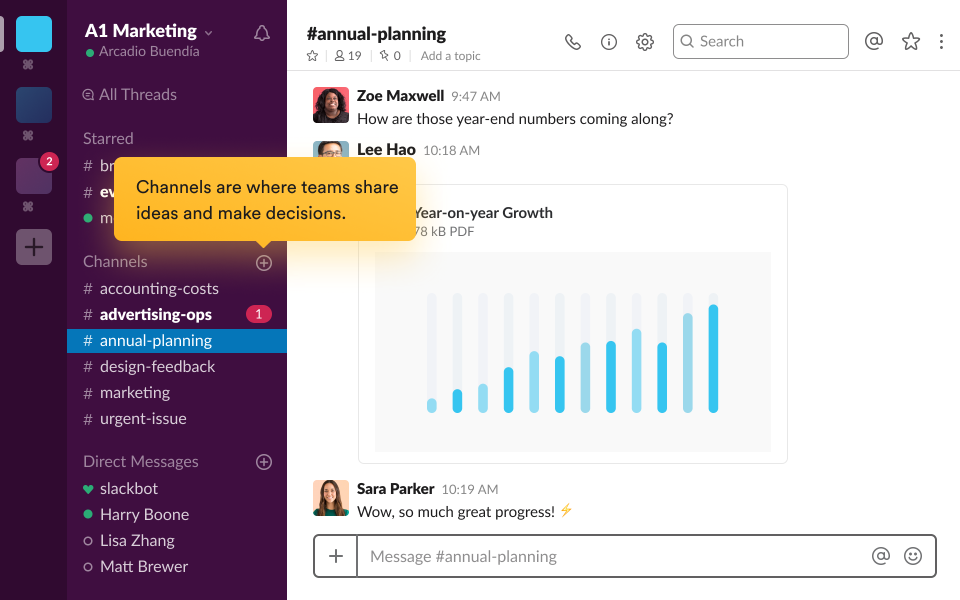
The platform enables organizations to create dedicated channels for projects, teams, clients, departments, and business functions. Employees can communicate through direct messages, group conversations, audio calls, video meetings, and workflow automation tools while maintaining complete visibility into team activities.
As businesses continue to embrace remote work, hybrid work environments, and digital collaboration, Slack has established itself as a leading team communication software solution. Its extensive integration ecosystem, user-friendly interface, and productivity-focused features make it a preferred platform for organizations looking to improve communication and workplace collaboration.
About Slack Software
Slack is a workplace communication and collaboration platform that helps organizations connect employees, streamline communication, and improve productivity. The platform serves as a digital workspace where teams can communicate through organized channels, direct messaging, file sharing, workflow automation, and integrated business applications.
Unlike traditional communication tools that rely heavily on email, Slack creates persistent conversations that allow teams to access information, collaborate on projects, and maintain transparency across the organization. Every conversation, shared document, and project update remains searchable and accessible, making knowledge sharing significantly easier.
Slack is widely used by technology companies, marketing agencies, healthcare organizations, educational institutions, financial services firms, startups, and enterprises. The platform supports both internal communication and external collaboration, helping businesses maintain effective communication regardless of location or team size.
By combining team communication software, collaboration software, workflow automation, file sharing, and business application integrations, Slack helps organizations create a more connected and productive work environment.
Key Objectives of Slack Software
Improve Team Communication
Slack helps businesses centralize workplace communication, reducing reliance on fragmented email conversations and improving response times.
Enhance Collaboration
The platform enables teams to collaborate effectively through shared channels, file sharing, project discussions, and real-time communication.
Increase Productivity
Slack reduces communication delays and helps employees access information quickly, improving overall workplace efficiency.
Centralize Business Information
Organizations can maintain conversations, documents, project updates, and communication records in a single searchable platform.
Support Remote and Hybrid Work
Slack enables seamless collaboration between distributed teams regardless of location, helping businesses maintain productivity across remote work environments.
Streamline Business Processes
Workflow automation and application integrations help businesses automate routine tasks and improve operational efficiency.
Slack Software Categories
Primary Category
Slack primarily belongs to the Team Collaboration Software category. The platform is specifically designed to improve workplace communication, team collaboration, information sharing, and organizational productivity through a centralized digital workspace.
Primary Category:
Secondary Categories
Slack offers functionality beyond collaboration by supporting communication management, workflow automation, project coordination, file sharing, and workplace productivity. These capabilities make Slack a versatile platform for modern businesses.
Secondary Categories:
- Audio Conferencing Software
- Customer Engagement Software
- Digital Workplace Software
- Employee Communication Tools Software
- Employee Engagement Software
- Enterprise Search Software
Key Features of Slack
Team Messaging
Slack is primarily known for its real-time team communication capabilities that help organizations streamline internal collaboration.
Team Messaging Features Include:
- One-on-one messaging
- Group conversations
- Team discussions
- Real-time communication
- Message organization
- Threaded conversations
- Message reactions
- Rich text formatting
These capabilities help teams communicate efficiently and reduce dependency on email.
Channels and Workspaces
Slack organizes conversations through channels, making it easier for teams to collaborate around specific projects, departments, or topics.
Channel Management Features Include:
- Public channels
- Private channels
- Department-specific channels
- Project-based channels
- Cross-functional collaboration spaces
- Channel archiving
- Channel permissions
- Workspace management
These features help businesses maintain organized communication across teams.
File Sharing and Collaboration
Slack allows users to share files, documents, images, and media directly within conversations.
File Sharing Features Include:
- Document sharing
- Image sharing
- Video sharing
- PDF uploads
- Drag-and-drop uploads
- File previews
- File commenting
- Centralized file access
These capabilities improve collaboration and simplify document management.
Audio and Video Calls
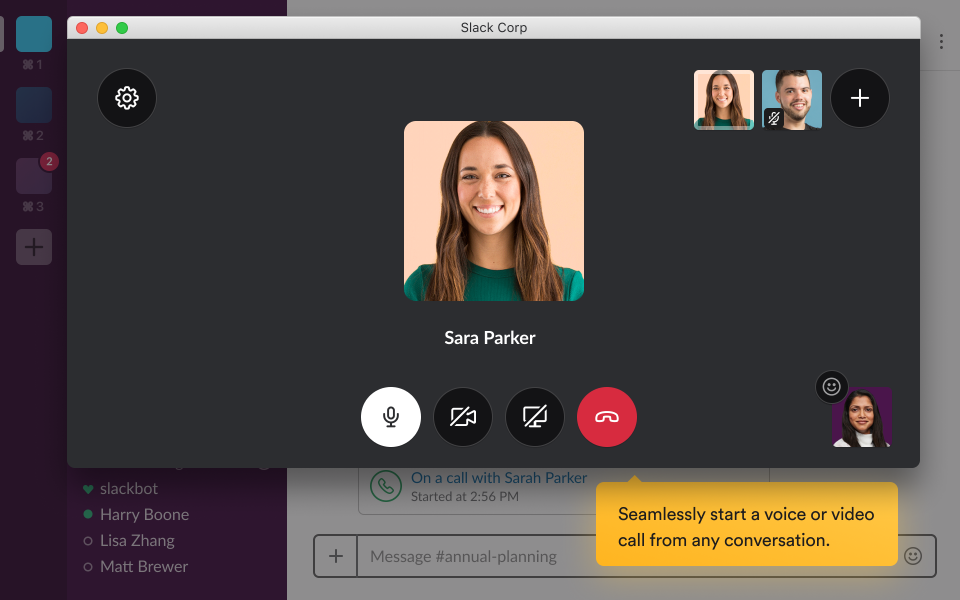
Slack includes built-in communication tools that enable teams to connect instantly through voice and video.
Audio and Video Communication Features Include:
- Voice calls
- Video meetings
- Screen sharing
- Team huddles
- Meeting collaboration
- Multi-user conversations
- Virtual communication
- Instant meeting creation
These tools help teams collaborate effectively regardless of location.
Slack Huddles
Slack Huddles provide lightweight audio and video collaboration experiences for quick discussions.
Huddle Features Include:
- Instant audio conversations
- Video participation
- Screen sharing
- Live collaboration
- Team brainstorming
- Informal discussions
- Quick problem-solving sessions
- Remote team engagement
These capabilities encourage faster communication and decision-making.
Workflow Automation
Slack offers automation tools that help businesses streamline repetitive processes and improve productivity.
Workflow Automation Features Include:
- Automated approvals
- Task automation
- Custom workflows
- Form submissions
- Automated notifications
- Process automation
- Reminder workflows
- Team productivity automation
These tools reduce manual work and improve operational efficiency.
Search Functionality
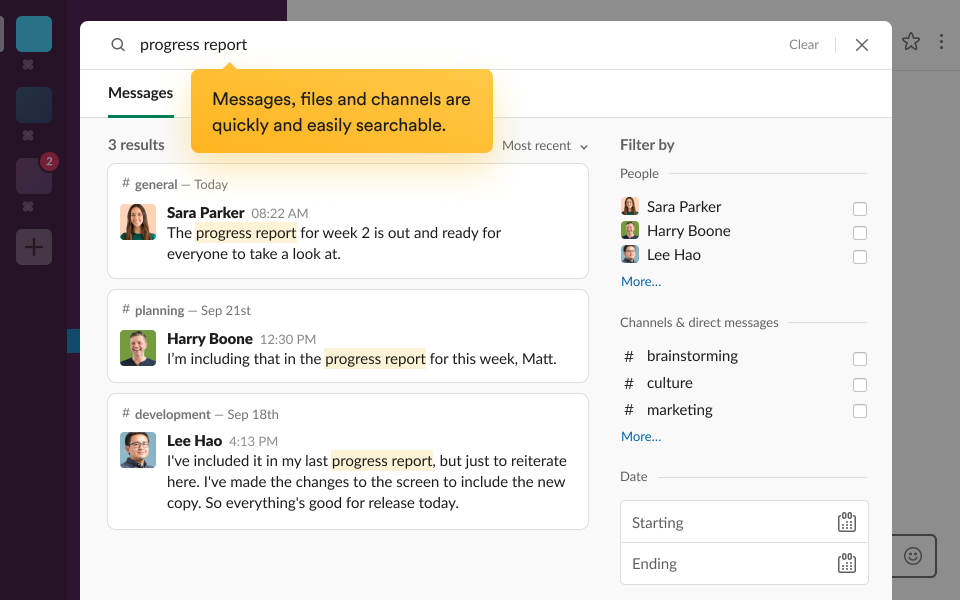
Slack provides powerful search capabilities that allow users to find messages, files, and conversations quickly.
Search Features Include:
- Global search
- Keyword search
- Conversation search
- File search
- Advanced filters
- User-specific searches
- Date-based searches
- Saved search results
These capabilities ensure important information remains easily accessible.
Slack Connect
Slack Connect allows organizations to communicate and collaborate securely with external partners, vendors, and clients.
Slack Connect Features Include:
- External collaboration
- Client communication
- Vendor coordination
- Partner workspaces
- Secure messaging
- Shared channels
- Cross-company collaboration
- Business communication management
These features help organizations extend collaboration beyond internal teams.
Notifications and Alerts
Slack helps users stay informed through customizable notifications and alerts.
Notification Features Include:
- Real-time alerts
- Mention notifications
- Keyword alerts
- Channel notifications
- Mobile notifications
- Desktop notifications
- Custom notification settings
- Activity monitoring
These capabilities ensure users never miss important updates.
Integration Ecosystem
Slack offers one of the largest integration ecosystems among collaboration software platforms.
Integration Features Include:
- Third-party app integrations
- Productivity tool connections
- CRM integrations
- Project management integrations
- Marketing platform integrations
- Cloud storage integrations
- Development tool integrations
- Customer support software integrations
These integrations help organizations centralize workflows within Slack.
Project Collaboration
Slack supports project collaboration by providing dedicated communication spaces and collaboration tools.
Project Collaboration Features Include:
- Team coordination
- Project discussions
- Shared resources
- Task communication
- Progress updates
- Project-specific channels
- Team alignment
- Cross-department collaboration
These features improve project visibility and team productivity.
Enterprise Security
Slack includes advanced security features designed to protect organizational data and communications.
Security Features Include:
- Data encryption
- Single sign-on (SSO)
- Multi-factor authentication
- User access controls
- Compliance support
- Data retention policies
- Audit logs
- Enterprise-grade security controls
These capabilities help organizations maintain data security and regulatory compliance.
Knowledge Management
Slack serves as a centralized repository for team knowledge and communication history.
Knowledge Management Features Include:
- Message history
- Shared knowledge repositories
- Searchable archives
- Team documentation
- Resource sharing
- Information retention
- Knowledge accessibility
- Organizational memory
These features help businesses preserve valuable information and improve knowledge sharing.
Mobile Accessibility
Slack provides mobile applications that allow users to stay connected from anywhere.
Mobile Features Include:
- Mobile messaging
- Push notifications
- Mobile file sharing
- Voice communication
- Video communication
- Channel access
- Mobile search
- Remote collaboration
These capabilities support remote work and distributed teams.
AI-Powered Productivity Tools
Slack continues to expand its AI capabilities to improve workplace productivity and communication efficiency.
AI Productivity Features Include:
- Conversation summaries
- Smart search assistance
- Automated insights
- Workflow recommendations
- Message organization
- Productivity enhancements
- Intelligent information retrieval
- Collaboration optimization
These capabilities help teams work smarter and access information more efficiently.
Analytics and Administration
Slack provides administrative and reporting tools that help organizations manage users and monitor platform adoption.
Administration Features Include:
- User management
- Workspace administration
- Usage analytics
- Activity monitoring
- Permission management
- Team reporting
- Security controls
- Organizational oversight
These tools help administrators maintain platform governance and optimize collaboration.
Cross-Platform Accessibility
Slack is accessible across multiple devices and operating systems, ensuring a consistent user experience.
Cross-Platform Features Include:
- Web application access
- Windows compatibility
- macOS compatibility
- Linux compatibility
- Android application
- iOS application
- Multi-device synchronization
- Consistent user experience
These capabilities enable seamless communication and collaboration across different environments.
Benefits of Using Slack Software
Improved Workplace Communication
Teams can communicate more efficiently through organized channels and real-time messaging.
Better Collaboration
Slack enables employees to work together effectively regardless of location or department.
Increased Productivity
Centralized communication and integrated workflows help reduce time spent switching between applications.
Faster Decision-Making
Real-time conversations and instant access to information support quicker business decisions.
Enhanced Remote Work Support
Distributed teams can collaborate seamlessly through messaging, calls, and shared workspaces.
Stronger Knowledge Management
Searchable communication history helps preserve organizational knowledge and information accessibility.
Integrations of Slack Software
Google Workspace Integration
Connects Google Drive, Docs, Sheets, Calendar, and Gmail directly with Slack workspaces.
Microsoft 365 Integration
Allows teams to collaborate using Outlook, Teams, OneDrive, and Office applications.
Zoom Integration
Supports scheduling and launching virtual meetings directly from Slack channels.
Salesforce Integration
Provides access to customer data, notifications, and sales updates within Slack.
Jira Integration
Enables project management teams to monitor tasks, updates, and development activities.
Trello Integration
Supports project collaboration and task tracking directly within Slack conversations.
Asana Integration
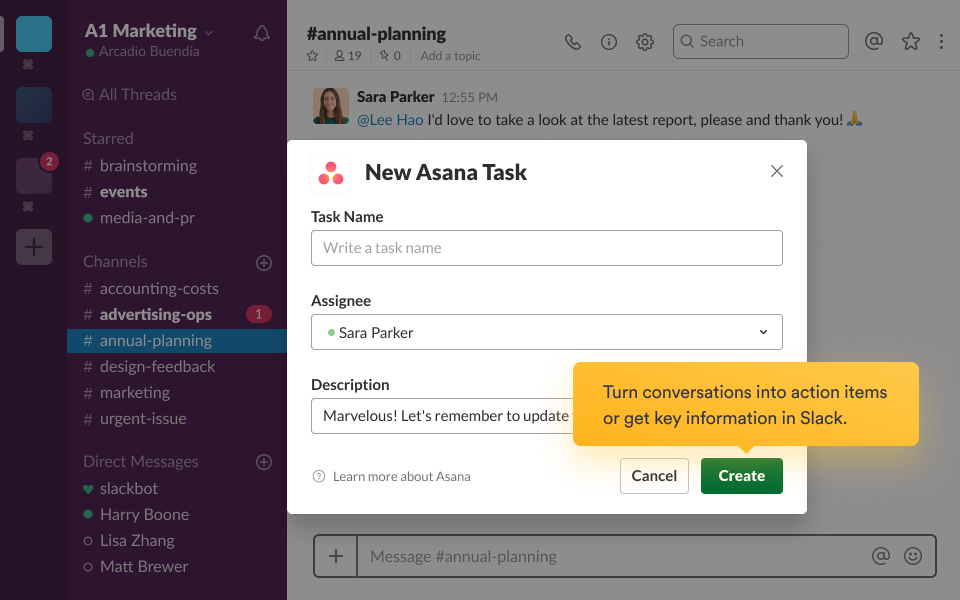
Allows teams to manage tasks, projects, and notifications from Slack workspaces.
Additional Business Integrations
Additional Integrations Include:
- HubSpot
- Monday.com
- ClickUp
- Notion
- Airtable
- Dropbox
- Box
- GitHub
- GitLab
- Zendesk
- ServiceNow
- Calendly
- DocuSign
- Adobe Creative Cloud
- Miro
- Figma
- SurveyMonkey
- QuickBooks
- Xero
- BambooHR
Pros and Cons of Slack Software
Pros | Cons |
User-friendly and intuitive interface | Can become overwhelming with excessive notifications |
Excellent team communication and collaboration features | Message history limitations on lower-tier plans |
Large integration ecosystem with thousands of business apps | Advanced security features are available mainly in premium plans |
Strong support for remote and hybrid work environments | Managing large workspaces can require proper governance |
Powerful search and knowledge management capabilities | Can create information overload if channels are not organized properly |
Built-in audio, video, and collaboration tools | Pricing may increase significantly for large organizations |
Highly scalable for businesses of all sizes | Some advanced workflow features require paid subscriptions |
Who Should Use Slack Software?
Startups
Slack is an ideal collaboration software solution for startups that need fast, organized, and efficient communication. Startups often operate with lean teams where quick decision-making and collaboration are essential. Slack helps startup teams manage projects, communicate instantly, share files, and coordinate activities from a centralized workspace without relying heavily on email communication.
Small Businesses
Small businesses can use Slack to improve communication between employees, departments, and leadership teams. The platform helps organizations centralize discussions, manage workflows, reduce communication silos, and improve productivity through channels, direct messaging, integrations, and workflow automation capabilities.
Mid-Sized Businesses
Growing businesses often struggle with communication across multiple teams and locations. Slack provides a scalable collaboration platform that helps departments stay connected, improve project visibility, and streamline internal communication while maintaining transparency across the organization.
Enterprises
Large enterprises utilize Slack as a workplace collaboration software platform that supports cross-functional communication, project management, employee engagement, workflow automation, and external collaboration. Enterprise-grade security, compliance, and administration capabilities make Slack suitable for large organizations with complex communication requirements.
Slack Software Use Cases
Team Communication
Organizations use Slack to centralize employee communication through channels, direct messages, and group discussions. This improves collaboration while reducing email dependency.
Project Collaboration
Project teams create dedicated channels to manage discussions, share files, coordinate tasks, and track project progress throughout the project lifecycle.
Remote Work Management
Remote and hybrid teams use Slack to maintain communication, collaborate effectively, and stay connected regardless of physical location.
Internal Knowledge Sharing
Businesses use Slack as a knowledge-sharing platform where conversations, documents, updates, and organizational information remain searchable and accessible.
Cross-Department Collaboration
Slack helps departments such as sales, marketing, customer support, HR, finance, and operations collaborate more effectively through shared communication channels.
Client and Partner Communication
Organizations utilize shared channels to communicate with clients, vendors, agencies, and external partners while maintaining transparency and project visibility.
Workflow Automation
Businesses automate approvals, notifications, requests, onboarding processes, and repetitive administrative tasks using Slack workflows and integrations.
Incident and Support Management
IT teams, support departments, and operations teams use Slack to coordinate responses, manage incidents, and communicate critical updates in real time.
Top Slack Software Alternatives
Microsoft Teams
Microsoft Teams is one of the most popular Slack alternatives, offering workplace communication, video conferencing, collaboration tools, file sharing, and deep integration with Microsoft 365 applications.
Zoom Team Chat
Zoom Team Chat is a business messaging and collaboration platform that enables teams to communicate through instant messaging, channels, file sharing, and integrated meetings, helping organizations streamline communication and improve productivity within the Zoom ecosystem.
Discord
Discord, originally designed for gaming communities, has evolved into a powerful communication platform used by businesses, communities, and remote teams for voice, video, and text collaboration.
Mattermost
Mattermost is an open-source team communication software solution that offers secure messaging, collaboration, workflow automation, and self-hosted deployment options.
Rocket.Chat
Rocket.Chat provides business messaging, team collaboration, customer communication, and secure workplace communication capabilities for organizations seeking greater control over their communication infrastructure.
Slack Software vs Competitors
Feature | Slack | Microsoft Teams | Google Chat | Discord |
Team Messaging | ✓ | ✓ | ✓ | ✓ |
Audio Calls | ✓ | ✓ | ✓ | ✓ |
Video Meetings | ✓ | ✓ | ✓ | ✓ |
File Sharing | ✓ | ✓ | ✓ | ✓ |
Workflow Automation | ✓ | ✓ | Limited | Limited |
Third-Party Integrations | ✓ | ✓ | Limited | Limited |
Search Functionality | ✓ | ✓ | ✓ | Limited |
Shared Channels | ✓ | Limited | Limited | No |
Enterprise Security | ✓ | ✓ | ✓ | Limited |
Best For | Business Collaboration | Microsoft Ecosystem | Google Workspace Users | Community Communication |
Why Choose Slack Software?
Slack has become one of the most recognized workplace collaboration software solutions because it transforms the way organizations communicate and collaborate. Instead of relying on fragmented email chains and disconnected communication tools, Slack creates a centralized digital workspace where conversations, files, projects, and workflows are organized and easily accessible.
One of Slack's biggest strengths is its ability to improve team productivity through real-time communication. Employees can quickly access information, collaborate on projects, share files, and communicate with colleagues without unnecessary delays. This streamlined communication model helps organizations reduce response times and improve operational efficiency.
Slack also stands out because of its extensive integration ecosystem. Businesses can connect popular applications such as Google Workspace, Microsoft 365, Salesforce, Jira, Zoom, HubSpot, Trello, Asana, and thousands of other tools directly into their Slack environment. These integrations help employees work more efficiently while reducing application switching.
The platform's support for remote work, hybrid work environments, and global teams makes it particularly valuable for modern organizations. Whether employees are working from the office, home, or different countries, Slack provides a consistent collaboration experience that keeps teams connected.
For businesses seeking collaboration software, workplace communication software, and team productivity software that can scale alongside organizational growth, Slack offers a powerful and flexible solution that supports long-term business success.
Frequently Asked Questions
What is Slack?
Slack is a cloud-based team communication and collaboration platform that helps organizations streamline workplace communication through channels, direct messaging, file sharing, video meetings, and workflow automation. It enables teams to collaborate more efficiently and stay connected across departments, projects, and locations.
Is Slack free?
Slack offers a free plan that includes core messaging and collaboration features for teams. Businesses that require advanced functionality such as expanded message history, enhanced security controls, workflow automation, and administrative tools can upgrade to one of Slack’s paid plans.
Where can I compare Slack with other team collaboration software?
If you're evaluating Slack alongside other team collaboration software solutions, platforms like Krowdbase allow you to compare features, use cases, integrations, pros and cons, and software categories side by side. This helps businesses identify the collaboration platform that best fits their communication and productivity requirements.
Where can I find Slack alternatives?
Businesses researching Slack alternatives can explore software comparison platforms such as Krowdbase to discover comparable team collaboration solutions, including Microsoft Teams, Zoom Team Chat, Discord, Mattermost, Rocket.Chat, and other leading workplace communication platforms. Comparing alternatives helps organizations choose the right solution based on features, scalability, and budget.
How do I choose the best team collaboration software for my business?
Choosing the best team collaboration software depends on factors such as team size, communication requirements, remote work needs, integration capabilities, security requirements, workflow automation features, and budget. Krowdbase helps businesses compare collaboration software based on functionality, use cases, and organizational needs.
Where can I discover software similar to Slack?
Software discovery platforms like Krowdbase provide detailed software profiles, feature comparisons, alternative recommendations, and category-based listings that help businesses discover and evaluate software similar to Slack. This simplifies the research process and supports more informed software decisions.
Can I compare team collaboration software features before making a decision?
Yes. Before selecting a collaboration platform, it is important to compare features such as team messaging, channels, file sharing, video conferencing, workflow automation, integrations, search functionality, and administrative controls. Krowdbase enables users to evaluate these capabilities across multiple collaboration software solutions.
What are the best team collaboration software options available today?
The best team collaboration software depends on specific business requirements, but popular options include Slack, Microsoft Teams, Google Chat, Discord, Mattermost, and Rocket.Chat. Krowdbase helps businesses discover, compare, and evaluate these leading collaboration platforms in one place.
Where can businesses discover new software solutions?
Krowdbase is a software discovery platform where businesses can explore team collaboration software, CRM platforms, project management tools, HR software, ERP systems, customer support solutions, marketing software, and thousands of other business applications. This helps organizations identify technology solutions that improve productivity and business performance.
Why use Krowdbase for software research?
Krowdbase helps businesses make informed software decisions by providing detailed software information, feature breakdowns, use cases, alternatives, comparisons, and category-specific recommendations. Whether you're researching collaboration tools like Slack or other business software, Krowdbase simplifies the evaluation process and helps organizations choose solutions that align with their goals.
Conclusion
Slack has established itself as one of the leading team collaboration software and workplace communication software platforms available today. By combining real-time messaging, channels, file sharing, workflow automation, audio and video communication, and extensive business integrations, Slack enables organizations to create a centralized digital workspace that supports productivity and collaboration.
The platform is particularly valuable for startups, small businesses, mid-sized organizations, and enterprises seeking to improve communication, streamline workflows, and support remote or hybrid work environments. Its flexible channel-based structure, powerful search functionality, and integration ecosystem make it easier for teams to collaborate efficiently and maintain visibility into organizational activities.
Slack's ability to connect employees, projects, departments, and business applications within a single workspace helps businesses reduce communication silos and improve operational efficiency. As organizations continue to prioritize digital collaboration and workplace flexibility, Slack remains a trusted solution for modern business communication.
While businesses should evaluate alternatives such as Microsoft Teams, Google Chat, Discord, Mattermost, Rocket.Chat, and Chanty based on their specific requirements, Slack continues to be a strong choice for organizations seeking scalable, secure, and feature-rich collaboration software. Its combination of usability, flexibility, and productivity-enhancing capabilities makes it a valuable platform for businesses focused on teamwork and long-term growth.
Screenshots
Video
Categories
Features
FAQ
The official website of Slack is https://slack.com/
Slack belongs to the Audio Conferencing, Customer Engagement, Digital Workplace, Employee Communication Tools, Employee Engagement, Enterprise Search, File Sharing, Internal Communications, Knowledge Management, Productivity, Remote Support, Remote Work, Sales Enablement, Sales Engagement Platform, Screen Recording, Screen Sharing, Team Communication, Video Conferencing, Web Conferencing, Collaboration, Community, Content Collaboration, Live Chat, Meeting category.
Slack offers features such as Real-Time Chat, Screen Sharing, Two Way Audio & Video, Activity/News Feed, Audio Capture, Screen Capture, Audio Calls, Real-time Consumer-facing Chat, Transcripts/Chat History.
Slack is used in industries such as Information Technology & Services, Media, Enterprise.
Slack is built for Small Business, Mid Size Business, Enterprise
Slack supports English, French, German, Italian, Japanese, Korean, Portuguese, Chinese
Slack supports Android, Linux, Mac, Web-based, Windows, iPhone/iPad devices.
The starting price of Slack is USD 8.75/per month.
Yes, Slack offers a free trial.
Slack was founded in 2009.
Slack has approximately 1000+ employees.
Slack is located in United States.
Slack was founded by Slack Technologies.
Need help choosing this software?
Have questions about features, pricing, integrations, or implementation? Send an enquiry to the vendor and get the information you need.
Pricing
Starting at:
$8.75/per month
Free Trial Available
Vendor Details
- Vendor
- Slack Technologies
- Founded
- 2009
- Locations
- United States
- Company Size
- 1000+
- Social Media


